| |||||||
|
Categories
THANDERZ CHALLENGES HARPER FOR UNIFIED SUPER FEATHERWEIGHT WORLD TITLES
- Post author By f/s
- Post date October 9, 2020

http://www.fight-scene.com/wp-content/uploads/2017/04/18015590_10154625110133940_1433420042_o-250×357.jpg
| |||||||
|
“My toughest fight was making the weight for each fight. My life for so many years was waking up, running, training, sparring, jumping on the scales and going to bed. That was the hard bit, but the fight was always worth it.
‘Blood, sweat and tears’ is a common phrase in the world of boxing. For those who have shared a ring with another combatant, or even those who have tried their resolve in a local amateur gym, the idiom draws an incredible parallel to the fierce and unforgiving nature of the sport.
Even from the surface, boxing is a vicious practice. It is a world where its participants give every ounce of their being in-order to be successful, but perhaps what is even more alluding is what goes on beneath the surface.
There has been fights such as Arturo Gatti vs Micky Ward, Sugar Ray Leonard vs Marvin Hagler and Muhammad Ali vs Joe Frazier; which have brought fighters to the brink of physical and mental exhaustion; where spectators only see what life is like as a fighter for 36 minutes.
Beneath all the bright lights and flashing cameras is another phrase which many are yet to understand and one which fighters will know all too well; ‘fights are won in the gym’. Arguably the greatest to ever lace up the gloves; Muhammad Ali once said: “I hated every minute of training, but I said don’t quit, suffer now and live the rest of your life as a champion”. It’s a phrase that illustrates the sacrifice that fighters make on a day to day basis; one which is little used in sporting conversation and one which truly undermines the true recipe for success in a sport where spectators see just 36 minutes worth of a lifetime of practice.
Train Like a Champ
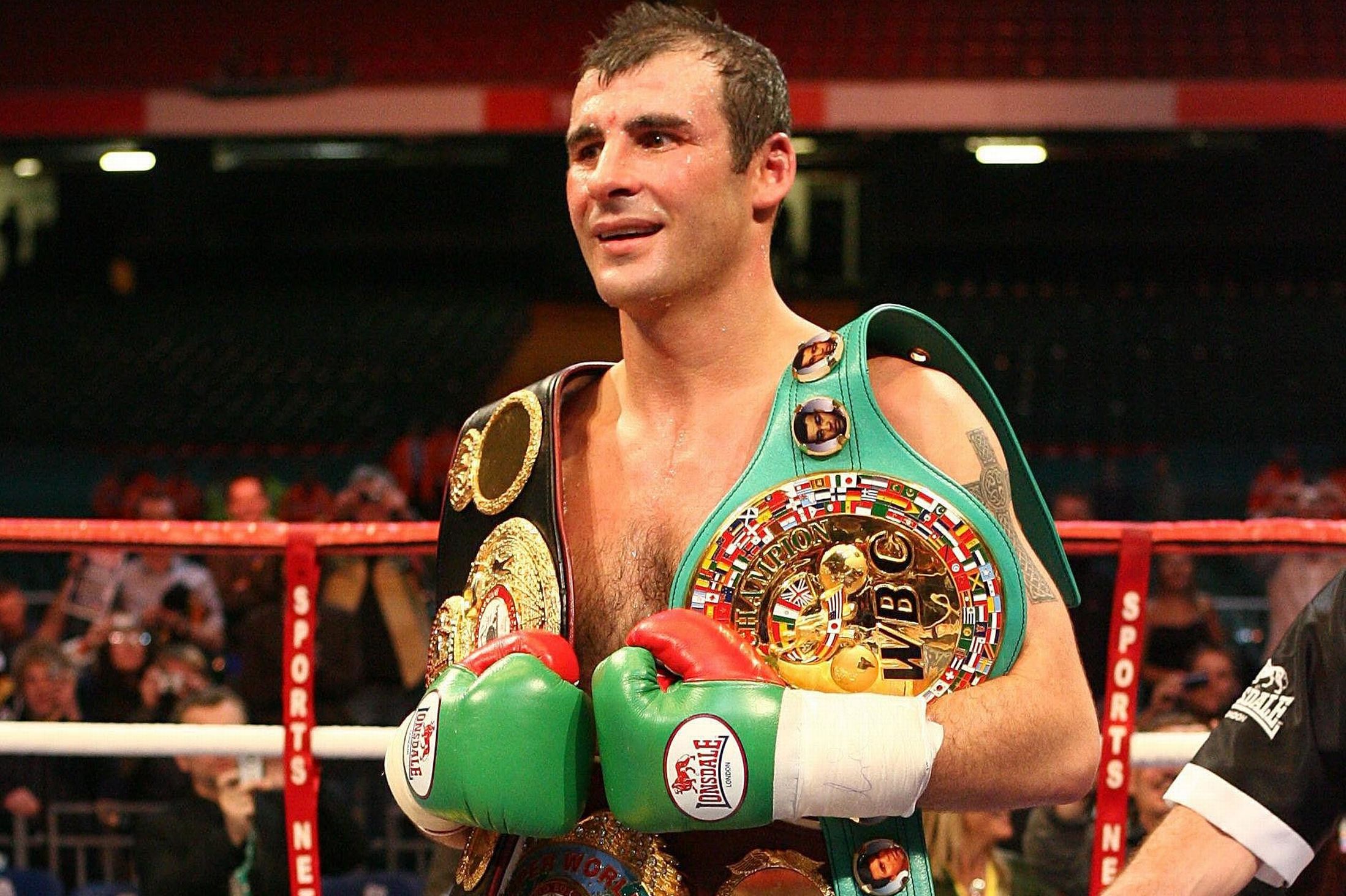
The tumultuous success of the great Joe Calzaghe echoes the ethos of boxing’s ‘unspoken’ rules. After beating some of the sports best in Chris Eubank Sr, Roy Jones Jr, Bernard Hopkins and Mikkel Kessler and retiring with a perfect 46-0 record, the decorated ‘Italian Dragon’ sheds light on the method behind the madness.
“All of the hard work is done in the gym. Your opponent is going to try and take your livelihood, so I always trained like a challenger and never took one of my opponents for granted”.
“My usual routine would be to train twice a day, six days a week. I would go for a run for 3-5 miles, but when I say run, I don’t mean jogging, I’m running with hills involved, I’m always trying to push myself when I run, and it was the same in the gym. Running was one of the most important things for me, I did a lot of it and because of that I was always fit, it was always mine and Dad’s philosophy to be fitter than the opponent”.
The legendary duo of father and son; Enzo and Joe would deploy a style which many believe to be the greatest to come out of the United Kingdom; with incredible volume punching, fierce forward pressure and unquestionable durability, all of which carefully crafted within grueling fight camps.
“My toughest fight was making the weight for each fight. My life for so many years was waking up, running, training, sparring, jumping on the scales and going to bed. That was the hard bit, but the fight was always worth it. When I jogged, I was running and when I was hitting the bags I was throwing 300 punches a round”.
However, It’s easy to be disillusioned with the reality of it all; the often ‘pointless’ times watching a brave competitor square off against a prime ‘Iron’ Mike Tyson; whom dispatched 22 of his foes within the very first round of their encounters, many uneducated viewers would argue it was “too easy” for the favourite. Beneath the surface however, the fighter who everyone is expecting to win has to rise from sleep in dark hours, punish their bodies for several hours a day, run mile after mile in the bitter morning air, spar eager-to-impress proteges, eat nothing but clean foods, drink up to 5 ltrs of water a day, sleep by 9pm and do it all again the day after that, often spanning some 12 weeks before they even make it into the squared circle.
Tyson’s lifestyle in camp followed a structure of a 4am jog spanning five miles, 6am shower, 10am breakfast, 12pm sparring often spanning 10 rounds; followed by 2,000 decline sit-ups, 500 bench dips, 500 push-ups, 500 barbell shrugs and 10 minutes of neck exercises, 3pm bag-work using double-end bag, focus mitts, slip bag and speed ball, followed by another THREE sets of his famous calisthenics routine, 5pm more focused shadow boxing followed by a further FOUR sets of calisthenics, 7pm another meal, 8pm resistance bike training, 9pm tape study and sleep. This, often spread across a two month camp, would culminate his fearsome fighting prowess, producing performances which often left spectators dissatisfied with the ‘simple’ nature of Mike’s victories.
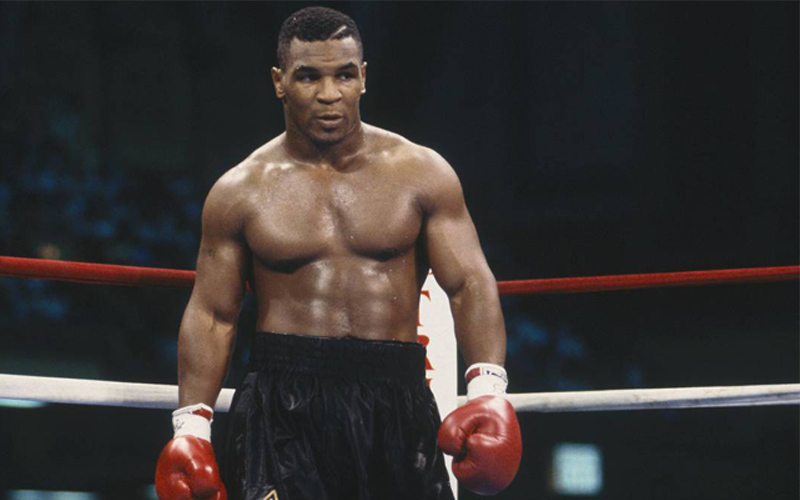
On average; Tyson would endure 60,000 sit-ups, 15,000 bench-dips, 15,000 push-ups, 15,000 shrugs, 5 hours of neck work and 2,000 rounds of hard sparring before even competing in fights which he was ultimately SUPPOSED to win. It is this unrelenting desire to succeed which separates boxing from any other sport, the degree of sacrifice that fighters must give just to make the walk to the squared circle is often overlooked once the fight is concluded, and it is perhaps the most challenging aspect of the sport entirely.
In contrast, there are also fighters who explore unorthodox ways of training. Tyson’s unmerciful regiment
of strict calisthenics exercises and hard sparring, perhaps old fashioned in its nature but no less effective, can quickly become stale for some fighters, and in particular those who possess a different range of athletic skillset.
Take undisputed lightweight king; Vasyl Lomachenko for instance, and the two approaches to training, albeit for the same sport, have stark differences. Where Tyson pushes through 2,000 sit-ups and 500 push-ups, Lomachenko practices math equations, juggles six balls simultaneously, studies and trains in Ukrainian folk dancing, holds his breath underwater for 240 seconds and walks on his fists from one corner of the ring to the other.
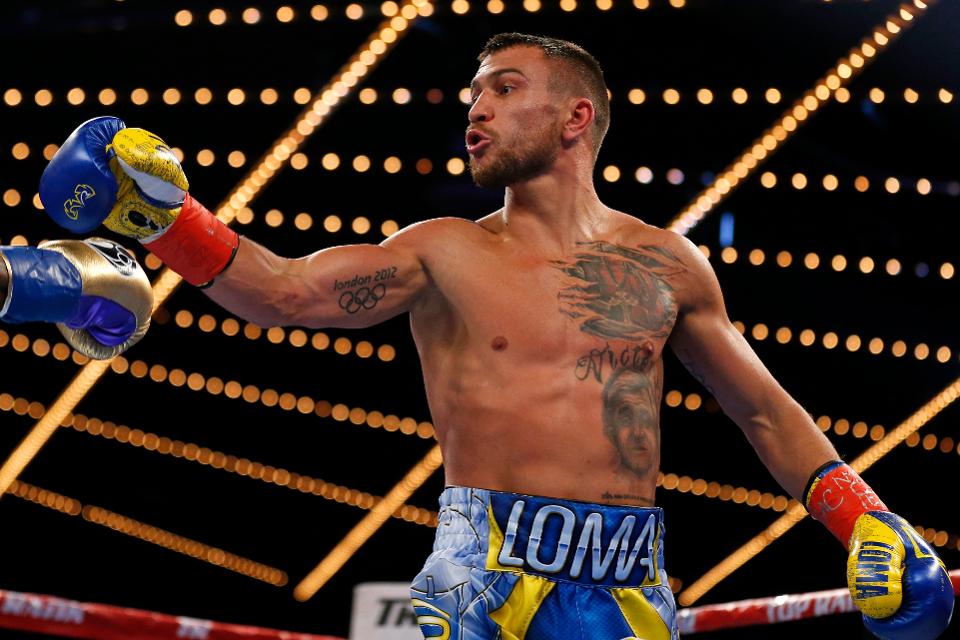
“I went to dance classes as a ten-year-old boy to improve my feet, my father took me before I would train so that I would understand how to use my footwork in the ring. I think footwork is one of the most important things to becoming a great fighter; that’s where everything starts”.
Lomachenko first laced a pair of gloves at the age of three, under his father’s tutelage; Anatoly. Using unconventional training methods; the pair would culminate a training style that mirrored no other athlete, combining mental and physical conditioning with focused footwork drills, isolated cardiovascular tests, quick problem solving and relaxed skill-based sparring, in what would produce two Olympic gold medals, two World Championship gold medals, one European Championship gold medal, one Junior gold medal, the WBO Featherweight title, the WBO Super Featherweight title and the WBC, WBA and WBO Lightweight title, making him the undisputed, unprecedented pound for pound best.
Similarly following the guidance of her father; Katie Taylor also followed an unconventional path to boxing stardom, but one which similarly aided her development in different areas to other more conventional fighters. In her youth, Taylor represented the Republic of Ireland women’s football team whilst also boxing under the teaching of her father; Peter. Combining the two sports from the age of 11 gave Taylor both the competitive familiarity of top flight sport and the physicality to excel her athletic career. By strengthening her base with explosive kinetic movements in football, Taylor was able to build an incredibly strong ring presence which saw her capture an incredible 18 amateur titles, some of which whilst still playing international and club football, and eventually the undisputed women’s lightweight championship.
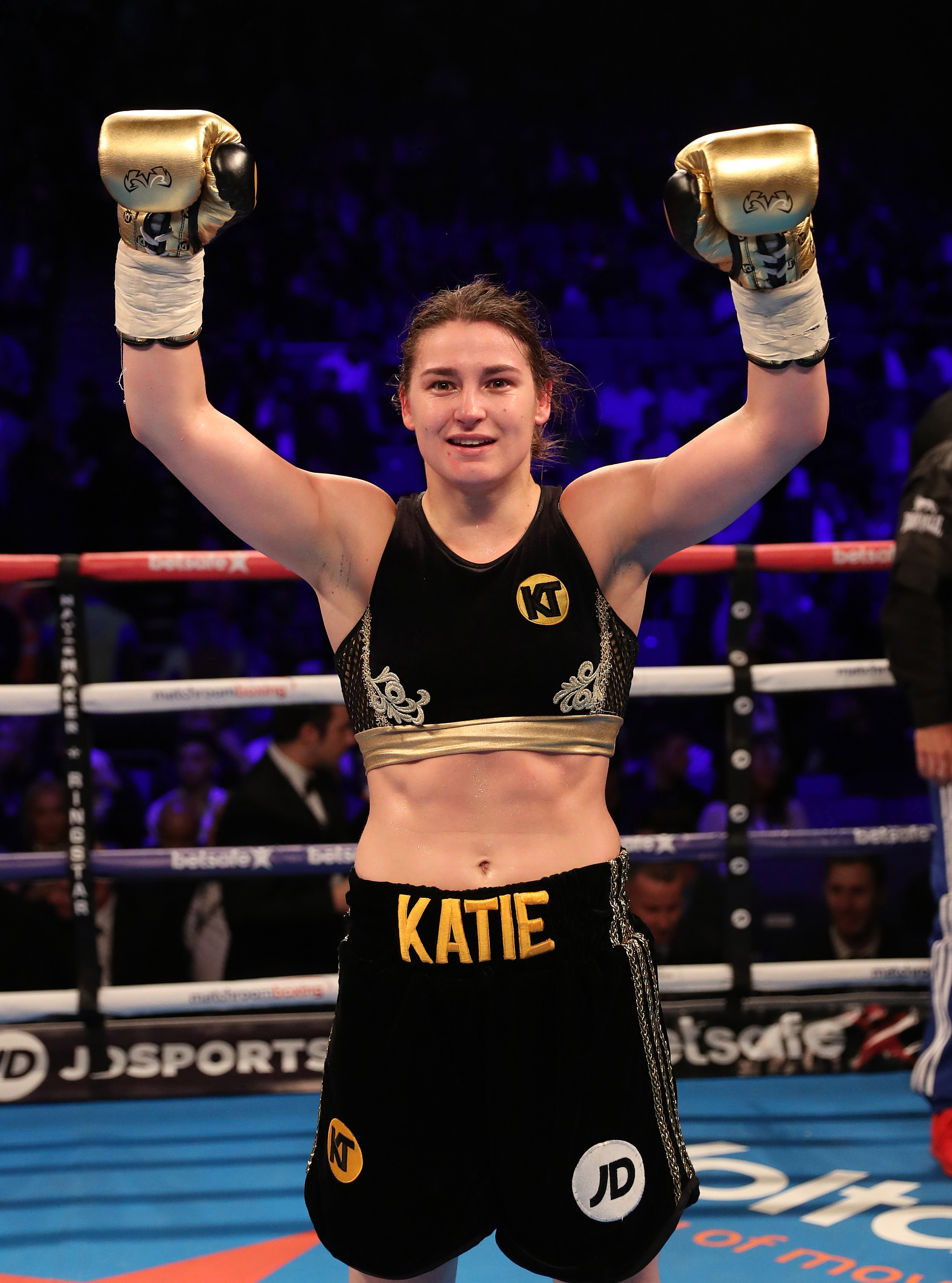
Read More on Vasyl Lomachenko HERE
Read more on Katie Taylor HERE
Read more on An Organic Perspective To Training HERE

Source of Lomachenko Quotes: BrainyQuote
Images by Forbes ,WBC Boxing & Matchroom
ROUND 12: WHAT IS WORTH MORE, BLOOD & POPULARITY OR HEALTH AND INTEGRITY OF ATHLETES?
It is a reality that violence is an integral part of young people’s lives today. The common thing is to find violence in any recreational activity. Video games are full of it, shots, frank shooters, blood everywhere; Movies and television series are another immediate means to satisfy that thirst for caged aggressiveness in society and how about the news!
Sports also suffer from this phenomenon. I remember how the NHL, America’s hockey league, had to modify its rules so that the television audience, as well as the fans in the arenas, would return to see that sport. The NHL had set very strict rules against fighting between players. Eventually the pressure from television and from the teams themselves, led them to modify the regulations and once again allow fights between the players; Blood and violence returned and that is how fans and television ratings returned.
How about the way social networks explode when there is a fight in baseball or on the soccer field? We all see each other again and immediately forward those links to all our chat contacts.

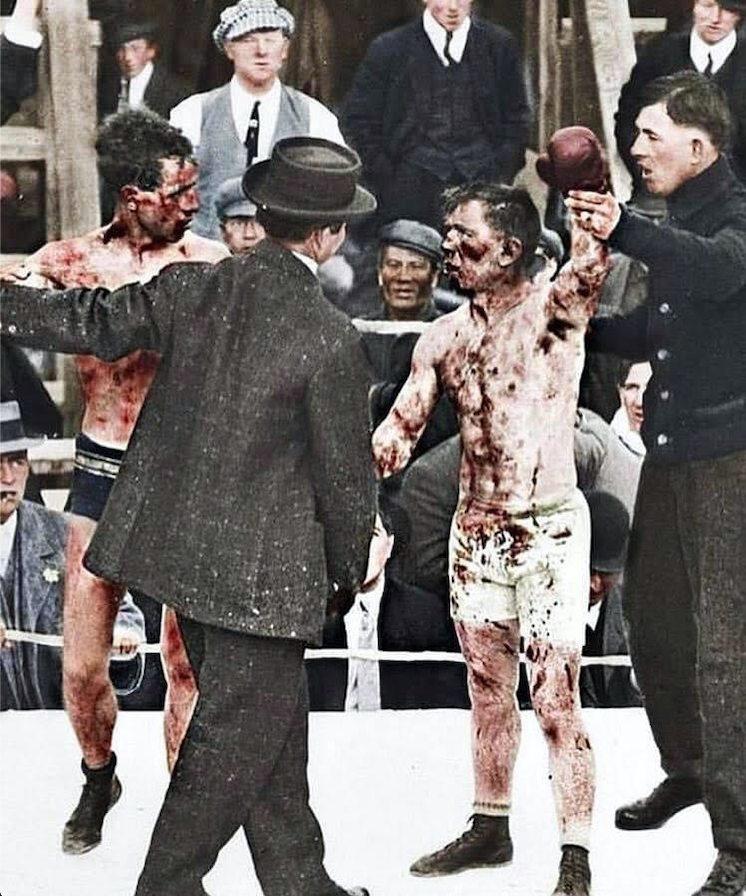
These two boxers just fought in 110 rounds! Yes, you read that right, 110 rounds (7 hours, 19 minutes of combat!) It
was April 6, 1893, Andy Browen and Jack Burke. The fight ended in a No-Contest because on the call of round 111 the two exhausted boxers were unable to get up to resume the fight.
This is, of course, the longest boxing match ever!
Violence is big business.
Boxing is the only sport that has dramatically evolved and changed its basic structure. What we see today above a ring is dramatically different from what boxing was in its beginnings. Our sport was born in England. It was a barbaric, inhuman activity and many lives were lost over many decades. There were no limits to anything, the fights were scheduled for an unlimited number of rounds, human resistance was put to the limit and many fights ended when one of the contestants simply died right there. The fighters fought with bare hands, there were no gloves, the damages that were generated were dramatic, the referees were there only to watch that there were no foul traps, but in no way were they there to protect the boxer. Eventually the British sporting authorities began regulating the sport, the first boxing rules were created and shortly after the Marquess of Queensberry rules were born. And at the beginning of the 20th century there were a series of basic rules, do not bite, use of small gloves, duration of rounds, etc … .. It continued for many more decades until the World Boxing Council arrived with the firm conviction of changing the fundamentals. of sport and have as the only priority the protection of the boxer.

So over the years the WBC has changed boxing to be a great sport today. Mandatory medical examinations were instituted, multiple medical studies have been conducted to constantly change the rules with these data. The equipment has changed radically, today’s gloves are manufactured with state-of-the-art technology and with materials studied to reduce the impact of blows, the bandage is a process that has almost eliminated the injuries of the fists which was very common, the protector mouthpiece also high technology that reduces the impact of blows received. The ring also has specific regulations to maximize the protection of the fighters, the canvas and its cushioning, the ropes, the stairs and all the security protocols around what happens inside and outside the ring.
The most important rule in the history of boxing was the change in the number of rounds for championship fights, it was reduced from 15 to 12 rounds in 1983 under the firm decision of Jose Sulaiman after receiving hard data from UCLA. This rule change has saved many lives and the quality of life for boxers after retirement is evident. The pressure that was generated at that time was tremendous, television lost the most expensive three minutes, since the commercials in the minutes of rest at the end of the fight were the most expensive and the fans were deprived of being able to see the drama that is generated in those last 9 minutes of combat. The world boxing community demanded a return to 15 rounds, even the boxers themselves claimed that they were gladiators and would fight to the death.

That is precisely the reality. The boxer is willing to fight under any conditions for the sole purpose of getting ahead in life, 15, 20 or 50 rounds, with or without gloves, kicks and bites; The boxer is a warrior, he is a gladiator and will fight under any condition. It is the obligation of the regulators to impose the rules and conditions so that the sport is developed with the maximum protection to the athlete.
The World Boxing Council will never compromise the integrity of the fighter and will continue to seek rules to continue making the sport safer.
It is a pity that, after this process of decades with clear results, we see that some parts of the world allow fighting that goes against everything that has been done to take care of the athlete. Now there is a concept called “Bare Knuckle Fighting” or bare fist fighting. It is incredible that there are authorities that license the organizers and allow these events to take place. An event was recently held in the state of Kansas and they have occurred elsewhere, including an event in Cancun last year. It is clear that there are people willing to do anything to earn a dollar regardless of the lives of others.
The World Boxing Council will fight head-on any activity that puts athletes at risk and no member of the body may participate in any of them.

Did you know?
Víctor Rabanales, who was a double WBC world champion, was deceived when he was invited to participate in a fight in Japan, when he arrived at the arena he was informed that it would be a fight “anything goes”. Rabanales having economic need and being a warrior I accept. He entered the cage and in a matter of seconds he was on the ground subjected to a lock that led him to surrender.
Today’s Trivia – A few years ago mixed martial arts became extremely popular in some regions of the world. This generated great concern to DON JOSE due to the aforementioned. One day I asked him about the changes that boxing and he promoted and the difference with other sports that on the contrary generated extreme violence. “Mijito, boxing is the art of defense, it is a sport of great honor and it is the opportunity for thousands of young people around the world to get ahead in life. We cannot control what others do and the only thing we can do is go our way. There are those who are opportunists, there are those who get on the train and put aside their values and principles, they may make money, but one day everything will be clear and boxing will forever continue to be the sport of excellence “
By Mauricio Sulaimán / Son of José Sulaimán / President of the WBC
Read More on WBC Boxing HERE

Muscle Food – An organic Perspective to Training
In an ever evolving sporting landscape, the world’s most expertly engineered athletes are constantly exploring ways to elevate their mental and physical performance.
Even on a basic level, the fundamentals of a successful sportsperson lie at the root of their lifestyle; their nutrition. Much like a car relies on fuel, an athlete who regularly exerts the physical limits of their body must provide themselves with the best possible fuel in-order to elevate their athletic capabilities.
The importance of sports nutrition is arguably even more crucial than the training itself. Manipulation of essential nutrients, the importance of calorie intake and timing in which these components are consumed in relation to a variety of different training styles ultimately separates good athletes from the great. It might appear as straightforward as to “eat good, feel good”, but a conclusive understanding of the roles of essential nutrients and the methods in which to optimize their function is one of the biggest determiners behind the success of athletic performance.
So, just how important is nutrition within sport? Whether that be at amateur or world-class level, the advantages of tailored dieting in athletic performance is a debate which any participant, spectator or analyst should be keen to engage in.
Prior to the 2012 Olympics, GB Boxing Team signed up for a meal preparation service which closely tailored their nutrition towards different stages of conditioning exposure; such as muscle hypertrophy, endurance, weight-loss and fast-twitch training. Spearheaded by nutritionist Tom Whitehead; the meal plans would produce 5 British Olympic medalists; including Luke Campbell, Anthony Joshua and Nicola Adams.
In-order to gain an organic perspective on the importance of sports nutrition, we participated in a seven day nutrition plan supplied by Musclefood, which consisted of three meals and three snacks per day; composed of roughly 40% carbohydrates, 32% protein and 28% fats. Musclefood, which combines carefully sourced ingredients with nutritiously rich supplements, allows their clients to choose from a personalised menu, where the athlete can cater their plan towards a variety of athletic goals; The gradual loss of weight in-order to hit a certain category for weigh-ins (69 KG) whilst supporting the body with quality proteins and healthy fats to ensure both muscular recovery and athletic sustainability.
Boxing’s most successful athletes often face a challenge before making the walk to the ring; the challenge against the scales. Fighters such as Ricky Hatton, whom have been infamous with cutting around 40 pounds in camp to make weight, and Joe Calzaghe who told Fight Scene ‘A diet plan was imperative for me, my favourite part was actually making the scales … that was the biggest fight!‘ followed strict dietary plans designed to shed glycogen stores from the body (stored carbohydrates) whilst facilitating protein-synthesis which comes with such rigorous training. Conventionally, this involves the athlete eliminating most or usually any form of carbohydrates from their body forcing the burning of glycogen (fatty stores) in-order to fuel physical activity, whilst focusing predominantly on the consummation of lean (low fat) proteins and supportive vitamins.
Athletes who form a lifestyle of eating clean throughout the year often suffer less and reap the rewards of their commitment in later stages of their career, where the natural depletion of physical ability is significantly less than an athlete who fluctuates between eating habits. Using Cristiano Ronaldo as an example; who in his Juventus medical assessment was deemed to have the physical health of a 20-year-old despite being 35; has a strict annual dietary regimen which involves only ground meats, low-fat carbohydrates, no oil or salt and only water (with the occasional glass of orange juice).
We followed a daily meal plan whilst training four days a week; usually 90 minute sessions consisting of a mixture of muscular endurance, fast-twitch resistance training, plyometrics, cardiovascular training, and of course boxing, the balance of the Musclefood Meal Plan provided the perfect release of high-quality proteins, low-fat carbohydrates and supportive vitamins. On the first day of the plan, our fighter’s weight was 158lbs (roughly 72 kilograms), and by the end; albeit eating frequent meals at considerable portions, his weight had dropped to 154lbs (70.3 kilograms), equating a loss of 4lbs in just seven days.
Although a common misconception with weight-loss is to starve the body of food, the Muscle Food plan was purposeful in its emphasis on frequent eating, demonstrating it needs to be. Using the car metaphor once again; the further and faster you drive a car, the more fuel you need. Like the human body, the strenuous nature of athletic training yields a much greater dependence on nutrition, and to starve the body of its means of recovery is a double-ended sword which causes a metabolic response to retain the body’s fat stores in-order to survive without adequate fuel.


Breakfasts were packed with high-quality proteins in the form of sausage and bean pots; ready-served scrambled egg and tubs of chocolate oats, which offered a sensible amount of slow-release carbohydrates without conceding many calories. Before training, lunch pots such as Moroccan Meatball and Cous Cous, Thai Curry and rice and Chicken Fajita with Rice offered the right balance of proteins and glycogen sources to fuel rigorous boxing sessions, followed by recipe kits loaded with ground meats such as grass-fed steak, lean-beef and sourced chicken to support muscle hypertrophy and recovery post-workout.
When the appetite would spike in-between meals, and particularly after training, the snacks available all contained rich protein value with little calories and minimal carbohydrates in the form of marinated chicken sticks, protein flapjacks and beef jerky.
Aside from physical advantages, the mental affects were arguably even more valuable. The degree of longevity an athlete can find within dieting is a crucial component in their success and performance; Musclefood Diet Plan was exciting, and meals were tasty. As a result, I was both eager and prepared to perform. Energy levels were primed with nutrients that supported healthy mobility and recovery without an impact on flavor, which for many foodies is the deal-breaker between sticking or twisting with many meal plans. Perhaps a neglected aspect of healthy eating is its longevity, and the good news is that tasty food doesn’t have to come at a price of excitement.
The quality of protein supplied in the diet greatly benefited muscular recovery, with an evident change to both body fat and muscular definition; especially around the abdomen (alongside a fair few sit-ups) which concluded a successful week of training, eating and living the ideal lifestyle of an athlete who feels they can do little to nothing more to further their physical and mental performance.
The importance of tailored nutrition cannot be emphasized enough. From participating in Sunday League football matches to boxing for an Olympic gold medal, athletes who are serious about their craft and wish to optimize their instruments in the best possible way MUST plan and execute nutrition correctly in-order to further their careers. Some prefer to adopt “on and off” cycles, and some prefer to completely change their lifestyle; whichever it may be, there is no denying the vitality of this discipline in the ingredients of athletic performance. Sport aside, even as a lifestyle change, an individual wanting to broaden their understanding on the role of dieting and the science behind eating, meal preparation services like Musclefood are an essential tool to the collective education of healthy eating; and in turn the healthiness of body.
Claim Discount on Muscle Food Diet Plans HERE
Read more on Muscle Food HERE


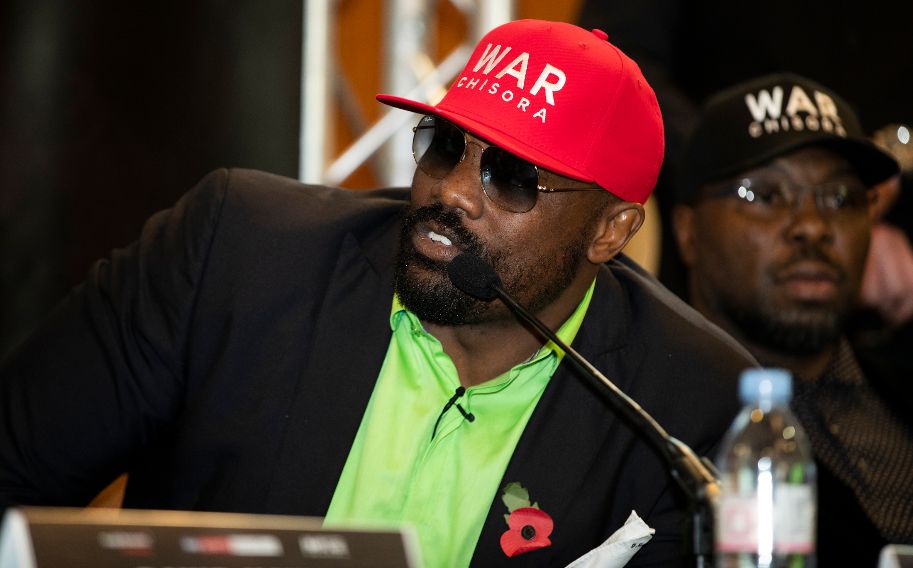
Presale tickets will be available to purchase for O2 Priority Members from midday on Thursday March 12 via The O2 (www.theo2.co.uk)
FightPass tickets will be available to purchase for Matchroom Boxing FightPass members from midday on Friday March 13 via StubHub (www.stubhub.co.uk) and Matchroom Boxing (www.matchroomboxing.com)
Venue presale tickets will also be available from midday on Friday March 13 via The O2 (www.theo2.co.uk).
General Sale tickets will be available to purchase from midday on Saturday March 14 via StubHub (www.stubhub.co.uk), The O2 (www.theo2.co.uk) and Matchroom Boxing (www.matchroomboxing.com).
Read more on Chisora HERE
Read more on Usyk HERE
Read more on Matchroom Boxing HERE

A 16-year-old boy completes his training in the fields of the Everton quarry in Liverpool. The team’s uniform is off, the boots have been removed, he farewells the rest of his teammates and coaching staff; He goes outside with a modest black suitcase, walks a few blocks and enters a gym.
There, in a fairly empty enclosure with a boxing ring in the middle, he gets ready to start training: his fists are wrapped, well-protected and he puts on his boxing gloves. Before starting to hit the bag, he gives himself a break to reflect about his father, his uncle and his brother.
Like a lightning strike on the ground, he begins to discharge the energy within. Swapping from one passion to another one. Little does he know that the next day he will make his debut in front of more than 40,000 fans at Goodison Park.
There is an almost symbiotic relationship between football and boxing in the life of Wayne Mark Rooney. In an interview for BBC, he explained how being in the ring has helped his performance on the field and beyond that, in his life.
The top scorer of the England National Team and Manchester United began his career at the age of nine, in the Liverpool academy, before a scout took him to be part of the Everton squad. At the age of 14,, he was already playing in the U19 squad. Two years later, at 16, he made his debut against Tottenham.
GREAT CONTRIBUTION OF THE RING
former DC United player confessed that in his teens he followed straight to the boxing gym after his football practice. The Englishman told the words as follows:
“I think that at a young age, boxing can do more for children than football, it keeps them out of the streets and out of complicated situations in which they can get involved.
It helps you develop as a person and work on your discipline, it helps you address goals as it did with me. Me being able to play in the Premier League at age 16 was thanks to the training I did in boxing. “It made me physically prepared, otherwise I wouldn’t have been able to compete with players like Sol Campbell and Martin Kewon.”
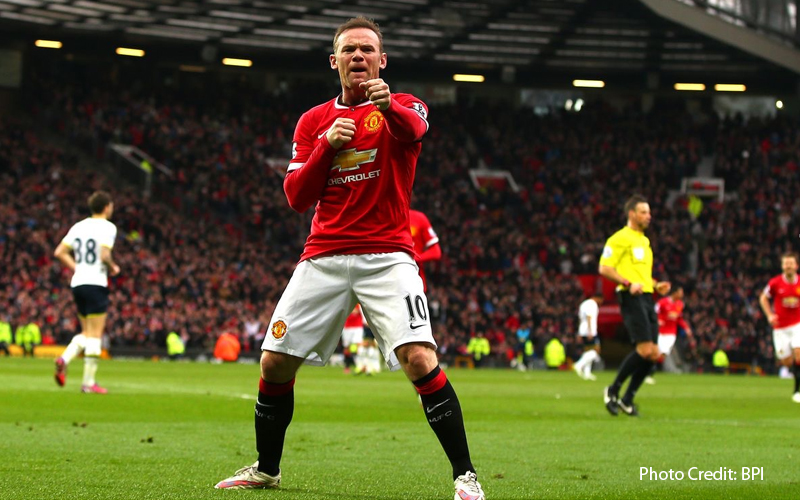
His strength and physical performance is sublime, every time Old Trafford’s number “10” has the ball, he shows an energy discharge and extraordinary body power, which, despite the tackles and fouls, lets Wayne Rooney pass between the lines as if he was entering within the ropes of the ring.
But boxing not only taught Wayne discipline and physical development, but it taught him what it is to have a boxer’s soul. Just as you should never stay on the canvas, you should never give up a ball; One should get up as soon as possible, get your guard up and keep fighting. Go, dribbling after dribbling, trying not to fall to reach the goal and score. Knocking out your opponent and scoring a hat trick.
The Wonder Boy even mentioned that boxing helps him stay physically in rhythm, every time he has injured his legs, he continues boxing. Recalling his young days as a boxer, he said he once knocked out his brother when his father gave them boxing gloves.
The current Derby County player’s family has boxers’ blood. His father, his brother and his uncle all practiced it and even the latter currently runs a gym near Croxteth, Liverpool (where he was born).
He is also a close friend of Ricky Hatton (welterweight and super lightweight boxing champion) and even held one of his championship belts in a fight in 2007. Although Hatton is a declared Manchester City fan, he maintains a great relationship with one of United’s top figures.
When he played with the Red Devils it was common for Wayne Rooney to invite boxers, teammates and friends to his house to practice. In a video, he appears boxing with Phil Bradlsey (Burnley’s defender) where the ex-red devil gets knocked out.
He later argued that he was not knocked out because the video is cut short. He got up and they kept fighting; by the time they were finished, Wayne’s nose was beat and Bradsley’s mouth was bleeding. Hours later he scored a goal against Tottenham which he celebrated by throwing a flurry of punches to finally fall, knocked out.