Categories
Boxing News Ex Fighters Gyms Health Nutrution Other Articles

SO YOU THINK YOU’RE TOUGH !

“My toughest fight was making the weight for each fight. My life for so many years was waking up, running, training, sparring, jumping on the scales and going to bed. That was the hard bit, but the fight was always worth it.

‘Blood, sweat and tears’ is a common phrase in the world of boxing. For those who have shared a ring with another combatant, or even those who have tried their resolve in a local amateur gym, the idiom draws an incredible parallel to the fierce and unforgiving nature of the sport. 

Even from the surface, boxing is a vicious practice. It is a world where its participants give every ounce of their being in-order to be successful, but perhaps what is even more alluding is what goes on beneath the surface.

There has been fights such as Arturo Gatti vs Micky Ward, Sugar Ray Leonard vs Marvin Hagler and Muhammad Ali vs Joe Frazier; which have brought fighters to the brink of physical and mental exhaustion; where spectators only see what life is like as a fighter for 36 minutes.

Beneath all the bright lights and flashing cameras is another phrase which many are yet to understand and one which fighters will know all too well; ‘fights are won in the gym’. Arguably the greatest to ever lace up the gloves; Muhammad Ali once said: “I hated every minute of training, but I said don’t quit, suffer now and live the rest of your life as a champion”. It’s a phrase that illustrates the sacrifice that fighters make on a day to day basis; one which is little used in sporting conversation and one which truly undermines the true recipe for success in a sport where spectators see just 36 minutes worth of a lifetime of practice.

Train Like a Champ

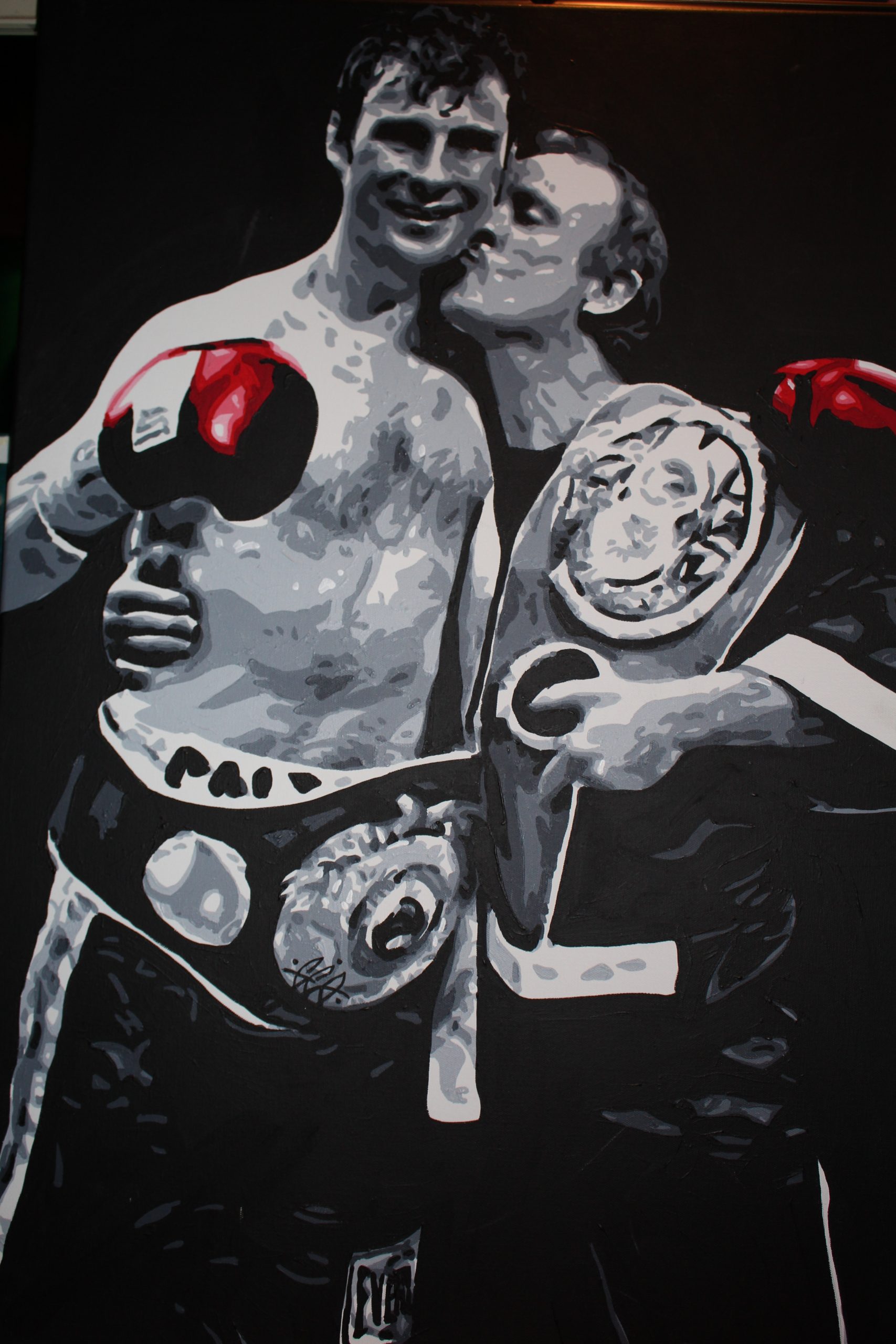
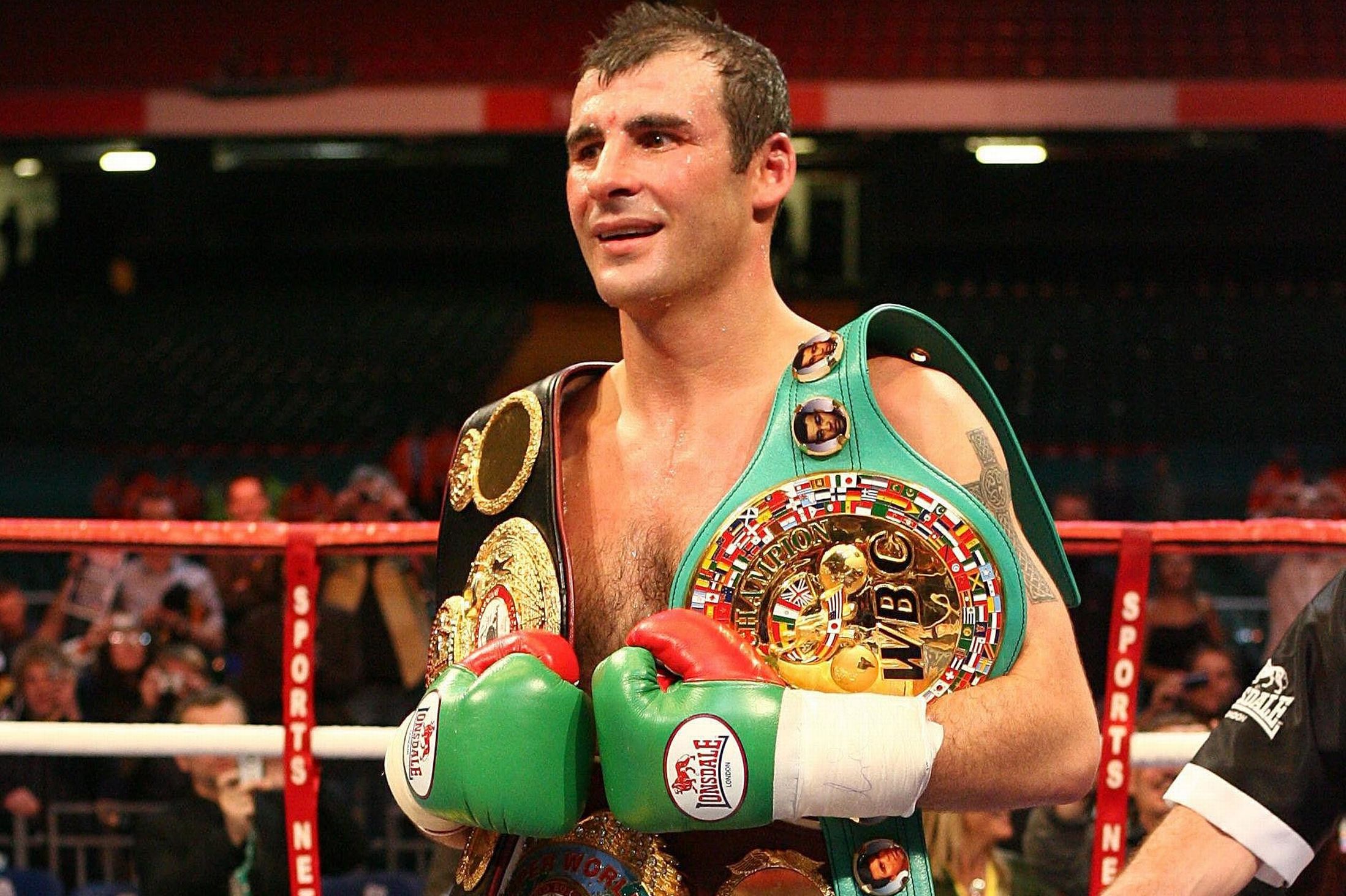
The tumultuous success of the great Joe Calzaghe echoes the ethos of boxing’s ‘unspoken’ rules. After beating some of the sports best in Chris Eubank Sr, Roy Jones Jr, Bernard Hopkins and Mikkel Kessler and retiring with a perfect 46-0 record, the decorated ‘Italian Dragon’ sheds light on the method behind the madness.

“All of the hard work is done in the gym. Your opponent is going to try and take your livelihood, so I always trained like a challenger and never took one of my opponents for granted”.

“My usual routine would be to train twice a day, six days a week. I would go for a run for 3-5 miles, but when I say run, I don’t mean jogging, I’m running with hills involved, I’m always trying to push myself when I run, and it was the same in the gym. Running was one of the most important things for me, I did a lot of it and because of that I was always fit, it was always mine and Dad’s philosophy to be fitter than the opponent”.

The legendary duo of father and son; Enzo and Joe would deploy a style which many believe to be the greatest to come out of the United Kingdom; with incredible volume punching, fierce forward pressure and unquestionable durability, all of which carefully crafted within grueling fight camps.

“My toughest fight was making the weight for each fight. My life for so many years was waking up, running, training, sparring, jumping on the scales and going to bed. That was the hard bit, but the fight was always worth it. When I jogged, I was running and when I was hitting the bags I was throwing 300 punches a round”.

However, It’s easy to be disillusioned with the reality of it all; the often ‘pointless’ times watching a brave competitor square off against a prime ‘Iron’ Mike Tyson; whom dispatched 22 of his foes within the very first round of their encounters, many uneducated viewers would argue it was “too easy” for the favourite. Beneath the surface however, the fighter who everyone is expecting to win has to rise from sleep in dark hours, punish their bodies for several hours a day, run mile after mile in the bitter morning air, spar eager-to-impress proteges, eat nothing but clean foods, drink up to 5 ltrs of water a day, sleep by 9pm and do it all again the day after that, often spanning some 12 weeks before they even make it into the squared circle.

Tyson’s lifestyle in camp followed a structure of a 4am jog spanning five miles, 6am shower, 10am breakfast, 12pm sparring often spanning 10 rounds; followed by 2,000 decline sit-ups, 500 bench dips, 500 push-ups, 500 barbell shrugs and 10 minutes of neck exercises, 3pm bag-work using double-end bag, focus mitts, slip bag and speed ball, followed by another THREE sets of his famous calisthenics routine, 5pm more focused shadow boxing followed by a further FOUR sets of calisthenics, 7pm another meal, 8pm resistance bike training, 9pm tape study and sleep. This, often spread across a two month camp, would culminate his fearsome fighting prowess, producing performances which often left spectators dissatisfied with the ‘simple’ nature of Mike’s victories.
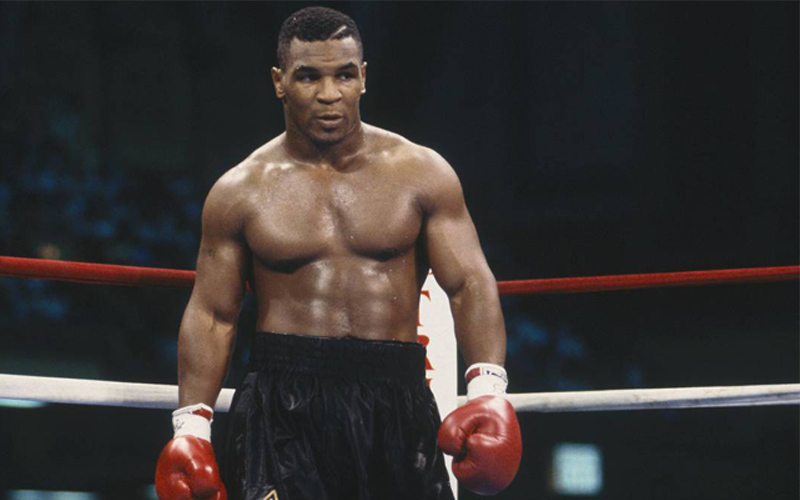
On average; Tyson would endure 60,000 sit-ups, 15,000 bench-dips, 15,000 push-ups, 15,000 shrugs, 5 hours of neck work and 2,000 rounds of hard sparring before even competing in fights which he was ultimately SUPPOSED to win. It is this unrelenting desire to succeed which separates boxing from any other sport, the degree of sacrifice that fighters must give just to make the walk to the squared circle is often overlooked once the fight is concluded, and it is perhaps the most challenging aspect of the sport entirely.

In contrast, there are also fighters who explore unorthodox ways of training. Tyson’s unmerciful regiment

of strict calisthenics exercises and hard sparring, perhaps old fashioned in its nature but no less effective, can quickly become stale for some fighters, and in particular those who possess a different range of athletic skillset.

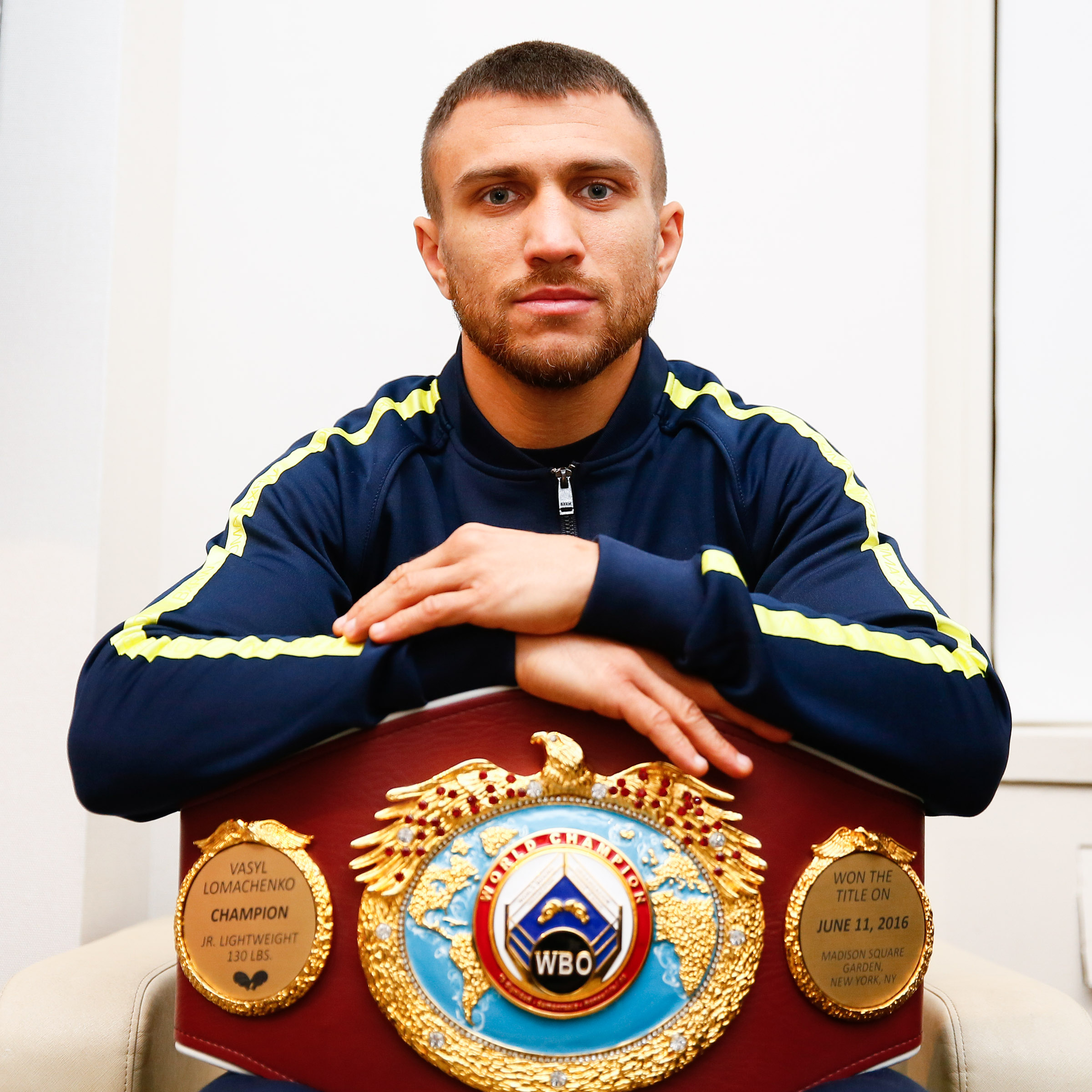
Take undisputed lightweight king; Vasyl Lomachenko for instance, and the two approaches to training, albeit for the same sport, have stark differences. Where Tyson pushes through 2,000 sit-ups and 500 push-ups, Lomachenko practices math equations, juggles six balls simultaneously, studies and trains in Ukrainian folk dancing, holds his breath underwater for 240 seconds and walks on his fists from one corner of the ring to the other.
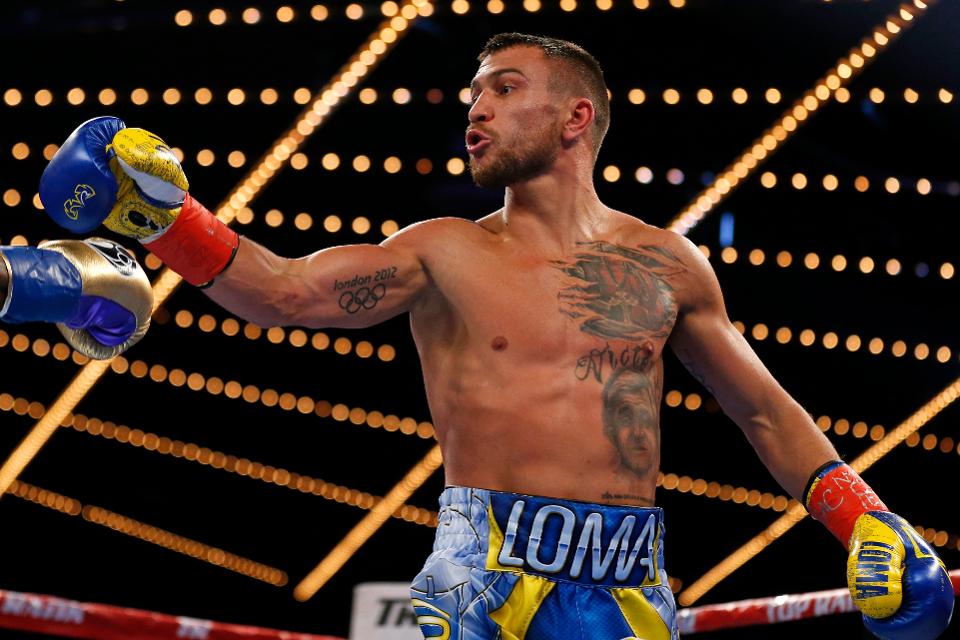
“I went to dance classes as a ten-year-old boy to improve my feet, my father took me before I would train so that I would understand how to use my footwork in the ring. I think footwork is one of the most important things to becoming a great fighter; that’s where everything starts”.

Lomachenko first laced a pair of gloves at the age of three, under his father’s tutelage; Anatoly. Using unconventional training methods; the pair would culminate a training style that mirrored no other athlete, combining mental and physical conditioning with focused footwork drills, isolated cardiovascular tests, quick problem solving and relaxed skill-based sparring, in what would produce two Olympic gold medals, two World Championship gold medals, one European Championship gold medal, one Junior gold medal, the WBO Featherweight title, the WBO Super Featherweight title and the WBC, WBA and WBO Lightweight title, making him the undisputed, unprecedented pound for pound best.

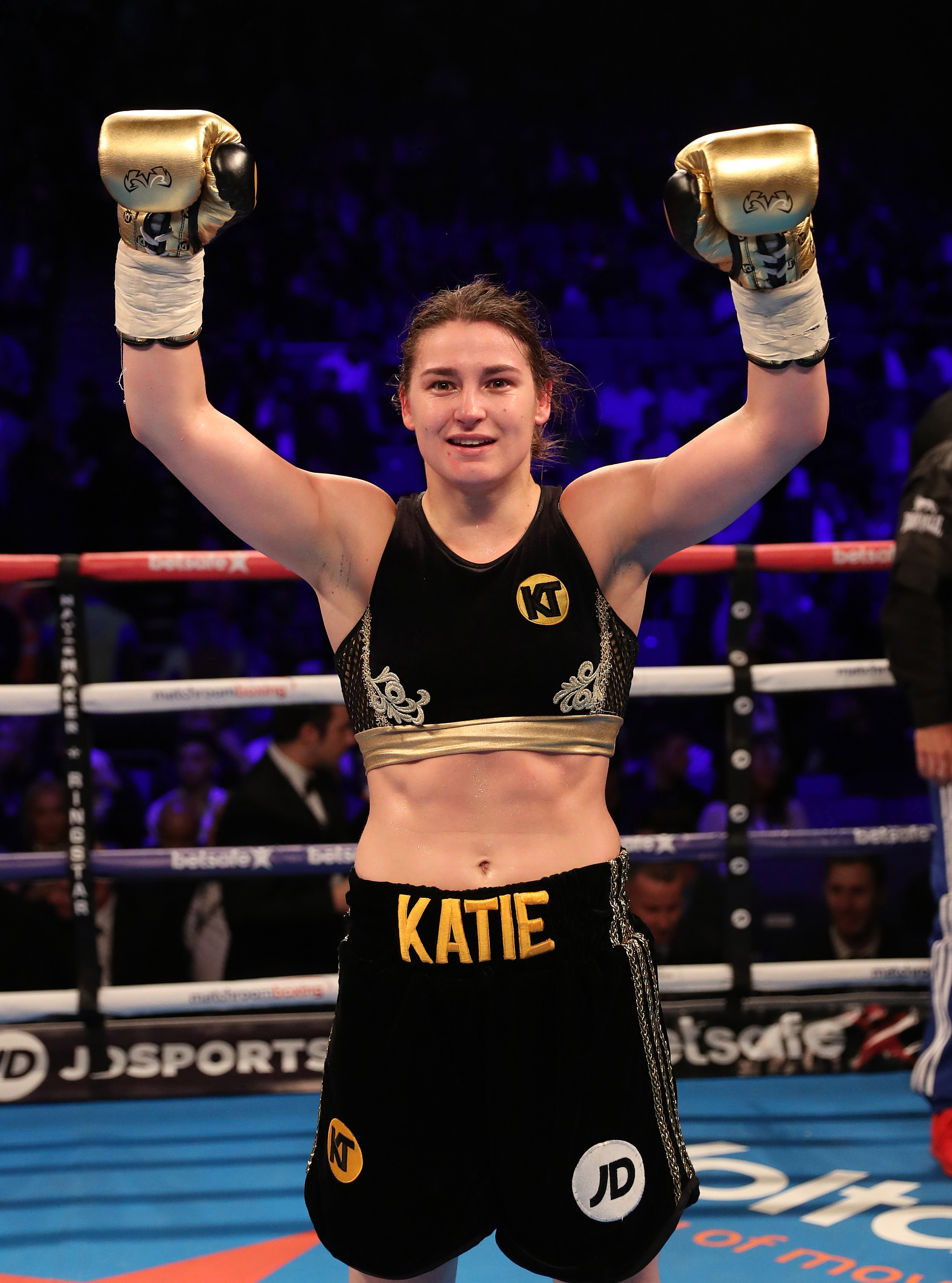
Similarly following the guidance of her father; Katie Taylor also followed an unconventional path to boxing stardom, but one which similarly aided her development in different areas to other more conventional fighters. In her youth, Taylor represented the Republic of Ireland women’s football team whilst also boxing under the teaching of her father; Peter. Combining the two sports from the age of 11 gave Taylor both the competitive familiarity of top flight sport and the physicality to excel her athletic career. By strengthening her base with explosive kinetic movements in football, Taylor was able to build an incredibly strong ring presence which saw her capture an incredible 18 amateur titles, some of which whilst still playing international and club football, and eventually the undisputed women’s lightweight championship.
Read More on Vasyl Lomachenko HERE

Read more on Katie Taylor HERE

Read more on An Organic Perspective To Training HERE



Source of Lomachenko Quotes: BrainyQuote

https://www.brainyquote.com/

Images by Forbes ,WBC Boxing  & Matchroom

Categories
Gyms

Boxing is like a game of Chess!

BOXING ALWAYS REMINDED ME OF A GAME OF CHESS!


Words and opinion of late Enzo Calzaghe  MBE, (2017) 

‘Boxing always reminded me of a game of chess where your fighter has to execute the right moves. But, in addition, a trainer has to be a motivator as well as a tactician. The trainer is the boss in the corner and should be the only voice between rounds.’


Watching fights like the Nick Blackwell v Chris Eubank fight made me reflect on times spent in my son Joe’s corner during big fights. When he fought Mikkel Kessler at the Millenium Stadium Joe began eating uppercuts. The uppercut is a devastating punch to deliver and land, and it’s a sickening punch because of the power generated, chin to brain.


I remember shouting to Joe ‘ Joe another uppercut and you’re out, turn around spin around, don’t take the shots. As a trainer I always sought to ensure my fighters evolved their tactics as the fight unfolded. It’s what we did against Kessler and it worked! Staying focused when there is so many distractions around the ring is key. For the Kessler fight the Millenium Stadium was filled with 50,000 spectators, but I only felt the presence of three people; myself, my boxer and the referee. You have to blank everything else out.


WHEN TO THROW IN THE TOWEL

A trainer has to exude confidence. During the Sakio Bika fight at the MEN Arena in Manchester, Joe got cut above the eye, the worst cut of his career. I could see the deep wound but concentrated on telling Joe to continue to boss the fight against one tough guy. I bumped into Bika a few years back at an awards presentation in the USA, he came up to me, smirked and said ‘ Joe had style ‘. Mutual respect between fighters is nice to see.

The only time I ever threw in the towel in the ring was the night Gary Lockett fought Kell Pavlik, June 7th 2008, in Atlantic City. Gary did well enough for the first round, but Pavlik started unloading with big shots and by the third round I decided to put a stop to the fight and threw the towel in. I respect Gary as a trainer.


ANGELO DUNDEE

One of the best examples of a trainer looking after his fighter was when Muhammed Ali, or Cassius Clay as he when was then known, came to London in 1963 to fight Henry Cooper. Cooper poole-axed Ali with a devastating left hook and the future world champion returned to his corner groggy. Somehow, Ali’s glove appeared to have a split which became much bigger after Angelo Dundee, his trainer, had gone to work on it! They had to hunt around for a replacement glove, buying Ali more time to recover. I always felt that Angelo Dundee was a great trainer, and in the modern era I rate Teddy Atlas.

Categories
Ex Fighters Gyms Other Articles

MEXICAN GREATS AT FEATHERWEIGHT

Mexican Greats at Featherweight

Here’s our selection of the top Mexican featherweights of all time.


VICENTE SALDIVAR Wicked-punching southpaw Saldivar was the nemesis of Wales’ Howard Winstone, the man that the Merthyr great could never overcome. Saldivar dethroned Cuban-Mexican Sugar Ramos to claim the crown, and his stunning reign included three victories over Winstone and two wins over Mitsunori Seki. After taking 21 months out he returned to rule the division a second time, sealing his place in the Hall of Fame.

SALVADOR SANCHEZ It’s been suggested that if ‘the Invincible Eagle’ hadn’t died prematurely at the age of 23 he could have gone on to be the greatest featherweight of them all. His two year reign saw him inflict the first defeat on Wilfredo Gomez and stop future champion Azumah Nelson in the 15th round of an all-out war. The Nelson bout would be the champion’s last as he died in a car crash just two weeks later.

RUBEN OLIVARES Renowned as one the greatest bantamweights of all time, Olivares was feared for his punching power and formidable left hook as he moved his way through the divisions. At

featherweight, highlights included a trilogy against fellow-Mexican Bobby Chacon, a two-round stoppage of Jose Luis Ramirez, and hard-fought defeats against Alexis Arguello and Eusebio Pedroza.

Marquez had won seven world titles in four different weight divisions, the first of which was at featherweight. There’s very little missing from Marquez’s CV, but highlights would include his epic four fights with Manny Pacquiao and claiming the super-featherweight crown from fellow Mexican Marco Antonio Barrera.

ERIK MORALES

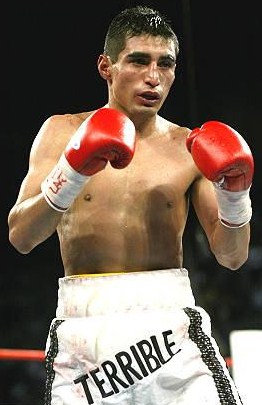
Just like Marquez, ‘El Terrible’ has won world titles in four different divisions, moving up to featherweight having ruled at superbantamweight. The Tijuana man had defeated Barrera at the lighter weight, but when they clashed at featherweight Morales tasted defeat for the first time in 42 bouts. He bounced back to regain the crown, though, before moving on up the divisions.

MARCO ANTONIO BARRERA The ‘Baby-Faced Assassin’ started his long professional career at superflyweight at the age of 15 and won his first world title at superbantamweight five years later. He stepped up to featherweight to meet the challenge of Naseem Hamed; despite going in as the underdog, Barrera gave ‘the Prince’ a boxing lesson as he handed him his first loss. The Mexico City man tasted defeat in super-fights against Erik Morales and Pacquiao, before moving up to find future glory.

JULIO CESAR CHAVEZ:

One of the great Mexican Champion Julio César Chávez’s claim to fame was a defeat against Greg Haugen in front of 132,274 people. 

The “Azteca” Stadium in Mexico City was the setting for the all-time attendance record for a boxing match. The main combat between Julio César Chávez, from Mexico, and the American Greg Haugen, was witnessed by more than 130 thousand spectators, according to official reports.

Chavez was a multiple-time world champion in three weight divisions, including Super Featherweight.

Categories
Boxing News Fight Scene Features Gyms

Lomachenko: History in the Making

THE UKRAINIAN’S RISE TO FISTIC FAME

 Tonight, Vasyl Lomachenko will attempt to become a world championin three weight classes in just 12 fights.
(Image: Wikipedia)

Leave yourself in no doubt. Tonight, history will be made. Or rather, continued…

After just eleven professional fights, Vasyl Lomachenko, already the number one Junior Lightweight in the world, will climb through the ropes to face Jorge Linares, the number one Lightweight, in what should be the true fight-fans fight of the year. Possibly the decade.

Having already dispatched of the best fighters at 126 & 130 pounds respectively, winning world titles at both classes in just seven fights, the Ukrainian whirlwind has beefed up to challenge for yet another title at 135.

This time, against one of the sharpest shooters in the boxing world – and a man who towers above him.

Jorge Linares hopes to stay King of the Lightweight Castle aftertonight’s meeting with Vasyl Lomachenko
(Image: Lawrence Lustig, Matchroom Boxing)

Early Days

Lomachenko, having cut his teeth in the amateur ranks, racking up almost 400 wins and beating every man put in front of him, turned pro just five years ago and made only one demand of his potential new promoter when interviewing for their business… make my first pro fight a world title fight.

This was a step too far for both Kathy Duva and Oscar De La Hoya, but Bob Arum, in true Arum style, struck a deal… fight number two? Lomachenko shook his hand and embarked on a voyage into the history books.

But all did not go to plan when the 25 year old stepped in against seasoned pro and bigger man, Orlando Salido, to contest for the WBO belt. After a brutal encounter, with some fans calling foul play both inside and outside the ring*, it was Salido that walked away as champion.

(* Salido came in severely overweight, repeatedly threw low blows right in front of the ref and still only managed to win a split decision, since he landed far fewer shots and got badly hurt in the twelfth round. A decision that seemed to shock even him. Lomachenko’s response? Dignity. He refused to take the bait and fight dirty – and refused to make excuses for his loss.)

Taking Titles

Lomachenko, however, not one to let a loss defeat him, came back stronger, wiser & more determined than ever before to put his stamp on the world boxing scene. He booked fight number three, and this time, he made sure that stamp lasted.

At the end of twelve rounds spent dodging arguably the fastest hands in modern boxing, Vasyl Lomachenko took the crown off the previously unbeaten Gary Russell Jnr and became a world champion faster than any man in history.

Moving Up 

So where does a future Hall-Of-Famer go once he’s taken out the number one man in the division? Up. In his first fight at Super Featherweight (AKA Junior Lightweight) the Russian-speaking southpaw knocked out Roman Martinez and added a bigger belt to his trophy cabinet. He then went on to bully four fighters, with 88 wins between them, to quit on their stools rather than allow their lungs or their dignity to take any more punishment.

Two of them were unbeaten – Nicholas Walters and Guillermo Rigondeaux. The latter being the division’s own golden boy.

It was at this point that Lomachenko earned the new moniker of “NoMasChenko”, in honour of Ray Leonoard’s upsetting of Roberto Duran, when Duran said “No mas” (No more) to his trainer rather than continue with the impossible task ahead.

History in the Making 

Lomachenko’s success, in such a short time, coupled with his matador style – where he coaxes fighters in, lands vicious shots, then hides in plain sight either sideways, beneath, or somehow above his wildly swinging opponents – have granted him the regard in which he is now held.

He is no showboater. This is no gimmick. His reward, if anything, does not fully reflect the size of his achievement.

Vasyl Lomachenko is not an entertainer. He’s a boxer. And he might just be the best there ever was.