|
|

|
|

|
|

 |
|
| |||||||
|
“I would advise anyone to get people around them they can really trust. An observation I’ve made over the last little while, is that having family involved throughout their team or management is important. You need to have someone you can really trust, someone you can give it all too. I would say to young people getting into the sport, try and find that person.”
Look high and low. Search the archives for all sportspeople; You will seldom find a more unique story. Refusing to accept he would become a product of the disjointed environment surrounding him, this proud Irishman would become a history-breaking example of how pushing boundaries makes the best of yourself. UFC’s Paddy “The Hooligan” Holohan risked it all to make a success of his life.
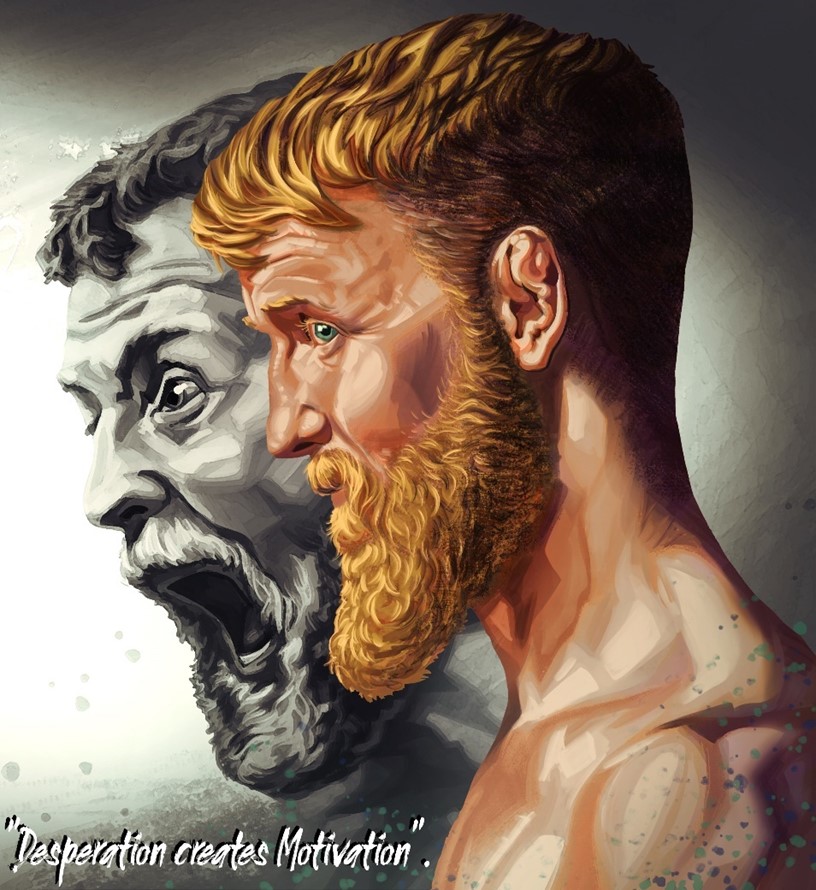
A young Tallaght lad, growing up in a world that paved two roads – one would leave him fade into his home of Jobstown; or become the beacon to show people there truly is no limit. “Desperation creates motivation” after all.
At 8 years old Paddy was diagnosed with a rare blood disorder. So rare there’s a one in a million, to a one in five million, chance of it. Factor XIII deficiency was the condition which, amongst other problems, increases the chances of cranium bleeds. What would Paddy do? Become a cage fighter, of course.
His environment taught him to be a fighter, and having nothing meant there was nothing to lose. The Hooligan within Paddy is what removed all fear of risking his livelihood. He made him a terrier of the UFC’s Flyweight division for 5 fights, before his condition cut a successful MMA career short.
Jekyll and Hyde are absolutely epitomized by Paddy. Asking Paddy about the pros and cons of “The Hooligan”, an initial chuckle suggested that his internal brother never provided a dull moment.
“He was definitely useful that Hooligan. I used to say we sort of grabbed fear and doubt at the door, by the hand, and dragged the both of them into the cage with me. Paddy Holohan, as a kid, was maybe a little bit of an insecure kid. I had to learn how to be able to turn this around and fight back, especially living on the road I grew up in. I wouldn’t say it was bullying because I hate that word, but it could be considered it now. You would have some who would be your friends, but then they would be p*ssed off and decide that they wanted to come out and pick on you.”
The world Paddy grew up in seemingly antagonized “The Hooligan” to mature and manifest himself as the battle armour he wore when the gauntlet was lay down before him.
“That Hooligan made me snap. There would be times in my fights, when I was on the road, where I just would not stop. It was a possession in me; It wasn’t that insecure, skinny, little ginger kid. It was a feeling that you’ve mugged me, you’ve mocked me, and I used it to be able to drive me in many different directions. Most importantly, I was able to use “The Hooligan” as someone to lean on, like a thought process.” He laughs.
“Whilst pushing the sleighs at the gym, thinking that people were mugging you off and thinking that I wasn’t going to make it, laughing. I would bully The Hooligan myself, tease him a little bit; it would bring out the best in me.”
Alongside “The Hooligan”, Paddy had the added motivation of representing Ireland. The second UFC card held in Ireland saw McGregor vs. Brandao. First fight of the card: Paddy Holohan vs Josh Sampo. The fighting style of Paddy was versatile, but his strengths were within Jiu Jitsu. Paddy a purple belt at the time, was facing the higher-graded brown belt in Sampo. All obstacles would fall before Paddy and “The Hooligan” as he penned his name into the history books of Irish MMA. Arguably the biggest occasion and biggest stage up to that point. A round 1 rear-naked choke would send the The O2 into a joyous frenzy; Paddy the conductor of it all.
Being a part of Irish MMA history isn’t about the fame, or an ego-grooming statement Paddy can stake his claim to. It’s about being proud of Ireland and being an ambassador for the nation. A fellow SBG (Straight Blast Gym) fighter and friend of Paddy’s, Conor McGregor once said “We come bulletproof in Ireland. We’re reared tough, and we fight”.
It’s that appreciation that shows the relationship fighters have with their beloved Ireland. This love-affair with Ireland turns “The Hooligan” into an even more potent beast.
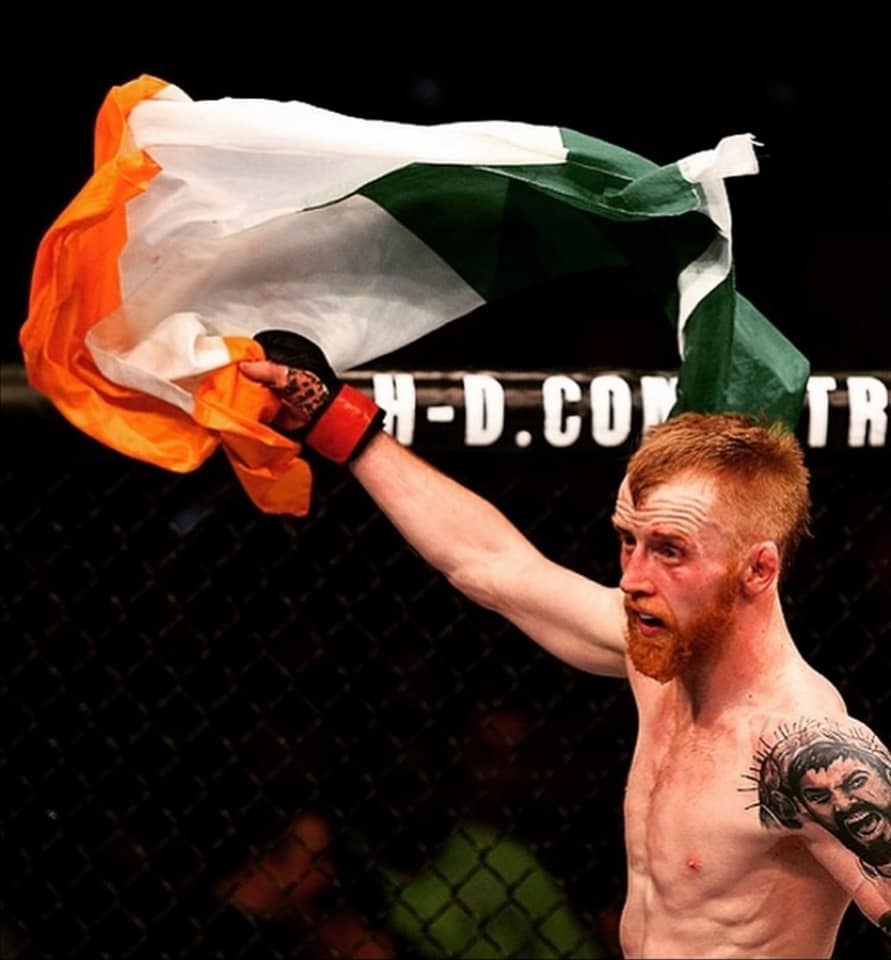
“To represent that green, white and orange on the Irish flag was a dream. It was like a power cape when you put it around you. I wanted to represent my country in anything. To be able to do it in something as pure and raw as fighting is immense, me against him, 1-on-1. It’s not like a team sport but it is like a slam dunk; an individuals moment. However, it is done with humility and respect. To be able to carry that flag; I would always say the cloth weighs a few grams but the real weight is tons. You’re carrying the whole nation on that flag. It isn’t about whether you win or you lose, it is about how you stand behind that flag. To be able to represent it fills me with the ultimate pride.”
SBG Ireland has been THE institution in the country to move the level of MMA to a level it can compete with any other place on earth. Some of the superstars that sit high within the ranks of the UFC have rolled on the mats, spilt blood and dripped sweat within the walls of SBG. The hard hours committed in the gym, and getting the victory on the big occasions, showed that SBG nurtured warriors into true mixed martial artists.
SBG has not been short of talent throughout the years, but Paddy believes a lot of the fighters on that historic night in Dublin have provided the initial momentum to push Irish MMA onto pastures greener.
“Conor McGregor, Gunni Nelson, Aisling Daly, Cathal Pendred, Chris Fields and coach John Kavanagh and all them kinds of people. I definitely feel it was the guys who fought in Dublin on that night (UFC McGregor v Brandao). To be able to get the win when it mattered, that resonated around the world. The people who fought and represented Ireland on that night are definitely the guys, Norman Parke as well who was on the ultimate fighter. If you were to ask the average Joe in the street to name MMA fighters, they would definitely mention us who fought on that card in Dublin. SBG has been a driving force in the sport. I would have to say I think it is the team of SBG that was raised through the ranks with John Kavanagh that made the huge impact on the SBG brand, making it what it is now.”
From SBG student to more recently SBG coach. Not before a difficult retirement was forced upon him… an unrelated injury revealed his blood disorder to the UFC. It was never something that Paddy hid; it just wasn’t all that necessary for him to reveal either. Something he medicated and lived with, he knew better than anyone how to handle, however perhaps knew that being passed fit to fight with a form of hemophilia would be impossible. When people say they are risking it all, Paddy was literally putting his life on the line to showcase his craft in the UFC. His last fight would be headlining his own UFC card in Dublin; UFC Fight Night: Holohan vs Smolka.
Four years plus on since his retirement, his love and commitment to the sport still outweigh any risk.
“I’d still be in there now, if I was allowed. That’s the reality of the situation. I’ve relived that main event in my head over a thousand times. I’m very grateful that I’ve been able to have been the main event at a UFC event in Dublin. I think there’s only two guys, Irish fighters, who have done that: Me and Conor. To have that main event slot, and be able to put my name on it in Dublin alongside Conor, is amazing. You’re in the same category as someone that will be remembered in the sport forever. I stepped up and give it my best that night, I was just exhausted going into that whole process preparing for the main event. Funnily enough, my walkout song for that night came on when I was in the car with my son, and it made me think. I still train, and I’ve rested up as well now. I feel better now than I did going into that main event. If that fight was on tonight, I would definitely have another crack at it.”
Paddy’s thoughts on when a fighter should retire can’t look any further than how he personally feels. Some fighters can get all the fire out of their belly, and leave the sport with an extinguished flame, peacefully. It wasn’t (and isn’t) within the nature of “The Hooligan” to have retired.
“Stepping away is the hardest thing for a fighter to do. Whatever is inside you as a fighter, that gets you there. All of a sudden, you’re in a situation where you have to start going against that instinct to fight. It’s a hard thing to fight against especially when you don’t want too. It’s like an addiction, where you really enjoy it and it really makes you happy, but it’s not a good decision for your life anymore. Selfishly, I fought to stay there and continue fighting. When you look at your kids and your family, it just makes me grateful for making them walks and doing what I did in the sport.”
Paddy Holohan, is now Coach Paddy. Carrying the SBG flame onwards at SBG D24 in Tallaght. This isn’t the first coaching role of Paddy’s career, he helped corner some of the original SBG fighters, notably Aisling Daly.
“Aisling Daly was someone who I went in under as a main coach for a while, when she was fighting in the UFC. There would’ve been times we flew out to Vegas.” Chuckles Paddy, nostalgically.
“Two kids from Dublin out there in Vegas, and out in Kansas City at times as well with Invicta. To be able to get them wins at that time, especially when Aisling won on the fight card for the Ultimate Fighter finale. That was an amazing moment.”
His present-day athletes are likely to be equally as successful as Paddy was. A man with the mentality and graft only found in a montage from a Stallone movie. Not only full of determination, and “The Hooligan”, but the knowledge and skills to educate the next generation.
Having had that numbing euphoria inside the cage, his feeling of ecstasy was apparent in its own form as the coach watching his victorious students.
“A win for one of my athletes, when they’re in there, is incredible. I’ve been coaching for about ten years now, from back when I was helping out throughout the SBG team. I’ve just had an athlete win a silver medal in the IMAF/IMMAF world championships. An amazing athlete in Shauna Bannon. She’s a multiple world kickboxing champion and she has a huge future in the sport if she keeps doing what she’s doing. I wouldn’t want to pick too many moments out as a coach, as some guys might wonder why I haven’t picked their moment out” jokes Paddy.
“I love to coach, it’s something I’ve always wanted to do.”
Paddy now shares his time between coaching and politics. A proud Tallaght man who wanted to prove that a boy from Jobstown can write his own destiny. He has shown the endeavor needed to cast out all judgements. His personality reflects a man who wants to benefit people, his own people, and will do what it takes to better his life and equally life of those around him. Politics has provided a completely different fight for the former UFC man. The comparisons between the two prove that both are unforgiving.
He laughs,” One thing I have learnt about politics and MMA is that politics is a dirtier game. At least in MMA you know who is coming at you, it’s the guy in front of you. In politics you don’t know who is coming at you. They’re your friend and shaking your hand one day, then the next they’re your enemy. The politics world is very peculiar, and people will come after you to score points in polls and against parties. It is a very nasty game to play. I’m just in this to try and make people’s lives better, all of our lives. It’s not about my views, or trying to bash something home that is unnatural. I just want everyone to have enough money and a home. I’m wanting to make normal people realize that the guys in the suits aren’t the ones who have all the answers. Maybe the guy in the tracksuit has the answers as well.”
Paddy’s advice to those starting an MMA career revolves around having the right people with you. Typically mentioning togetherness, having the right soldiers to go to war with.
“I would advise anyone to get people around them they can really trust. An observation I’ve made over the last little while, is that having family involved throughout their team or management is important. You need to have someone you can really trust, someone you can give it all too. I would say to young people getting into the sport, try and find that person.”
“Be very careful who you throw all your loyalty too because in a fighting sport, we’re on the battlefield and we’re going to war. Be sure the people you surround yourself with are the right ones. You don’t have to be in the best club to make it. You have Youtube, you can message other fighters and train with them. You don’t have to have all these fancy things”.
“I would say go back to that Rocky mentality, or that Clubber Lang mentality, where you’re just in a basement getting after it. I feel that maybe that has gone a little bit. If that came back, we’d start seeing that hunger, that zest for people that will not stop until they’ve got it.”
A true warrior, mixed martial artist and Irishman. Paddy and “The Hooligan” have their own legacy. The desperation that created the motivation; created a success story.

Images by:
Adam Osbourne – The Art of MMA
Paddy O Holohan
Wikipedia
“My toughest fight was making the weight for each fight. My life for so many years was waking up, running, training, sparring, jumping on the scales and going to bed. That was the hard bit, but the fight was always worth it.
‘Blood, sweat and tears’ is a common phrase in the world of boxing. For those who have shared a ring with another combatant, or even those who have tried their resolve in a local amateur gym, the idiom draws an incredible parallel to the fierce and unforgiving nature of the sport.
Even from the surface, boxing is a vicious practice. It is a world where its participants give every ounce of their being in-order to be successful, but perhaps what is even more alluding is what goes on beneath the surface.
There has been fights such as Arturo Gatti vs Micky Ward, Sugar Ray Leonard vs Marvin Hagler and Muhammad Ali vs Joe Frazier; which have brought fighters to the brink of physical and mental exhaustion; where spectators only see what life is like as a fighter for 36 minutes.
Beneath all the bright lights and flashing cameras is another phrase which many are yet to understand and one which fighters will know all too well; ‘fights are won in the gym’. Arguably the greatest to ever lace up the gloves; Muhammad Ali once said: “I hated every minute of training, but I said don’t quit, suffer now and live the rest of your life as a champion”. It’s a phrase that illustrates the sacrifice that fighters make on a day to day basis; one which is little used in sporting conversation and one which truly undermines the true recipe for success in a sport where spectators see just 36 minutes worth of a lifetime of practice.
Train Like a Champ
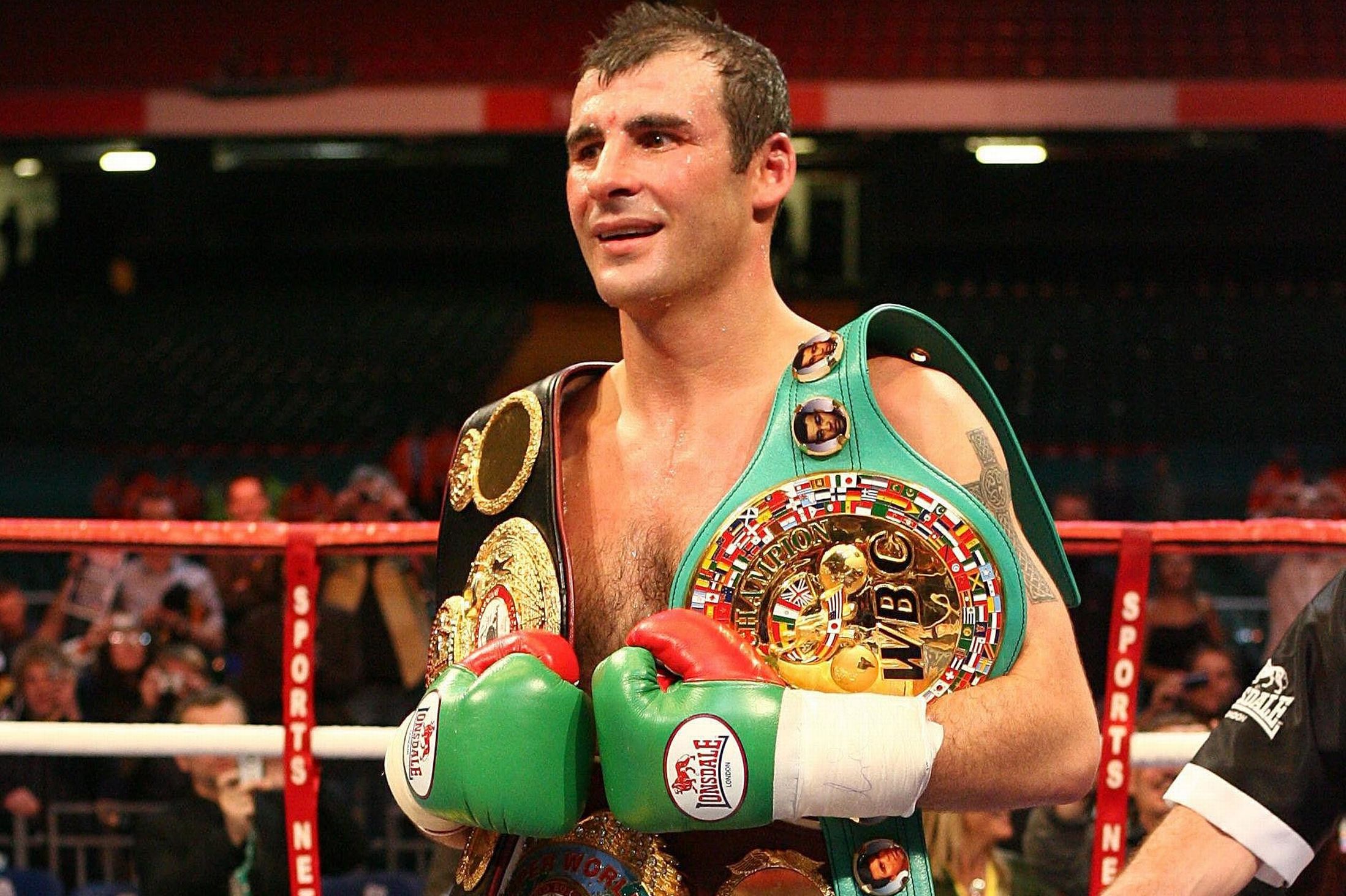
The tumultuous success of the great Joe Calzaghe echoes the ethos of boxing’s ‘unspoken’ rules. After beating some of the sports best in Chris Eubank Sr, Roy Jones Jr, Bernard Hopkins and Mikkel Kessler and retiring with a perfect 46-0 record, the decorated ‘Italian Dragon’ sheds light on the method behind the madness.
“All of the hard work is done in the gym. Your opponent is going to try and take your livelihood, so I always trained like a challenger and never took one of my opponents for granted”.
“My usual routine would be to train twice a day, six days a week. I would go for a run for 3-5 miles, but when I say run, I don’t mean jogging, I’m running with hills involved, I’m always trying to push myself when I run, and it was the same in the gym. Running was one of the most important things for me, I did a lot of it and because of that I was always fit, it was always mine and Dad’s philosophy to be fitter than the opponent”.
The legendary duo of father and son; Enzo and Joe would deploy a style which many believe to be the greatest to come out of the United Kingdom; with incredible volume punching, fierce forward pressure and unquestionable durability, all of which carefully crafted within grueling fight camps.
“My toughest fight was making the weight for each fight. My life for so many years was waking up, running, training, sparring, jumping on the scales and going to bed. That was the hard bit, but the fight was always worth it. When I jogged, I was running and when I was hitting the bags I was throwing 300 punches a round”.
However, It’s easy to be disillusioned with the reality of it all; the often ‘pointless’ times watching a brave competitor square off against a prime ‘Iron’ Mike Tyson; whom dispatched 22 of his foes within the very first round of their encounters, many uneducated viewers would argue it was “too easy” for the favourite. Beneath the surface however, the fighter who everyone is expecting to win has to rise from sleep in dark hours, punish their bodies for several hours a day, run mile after mile in the bitter morning air, spar eager-to-impress proteges, eat nothing but clean foods, drink up to 5 ltrs of water a day, sleep by 9pm and do it all again the day after that, often spanning some 12 weeks before they even make it into the squared circle.
Tyson’s lifestyle in camp followed a structure of a 4am jog spanning five miles, 6am shower, 10am breakfast, 12pm sparring often spanning 10 rounds; followed by 2,000 decline sit-ups, 500 bench dips, 500 push-ups, 500 barbell shrugs and 10 minutes of neck exercises, 3pm bag-work using double-end bag, focus mitts, slip bag and speed ball, followed by another THREE sets of his famous calisthenics routine, 5pm more focused shadow boxing followed by a further FOUR sets of calisthenics, 7pm another meal, 8pm resistance bike training, 9pm tape study and sleep. This, often spread across a two month camp, would culminate his fearsome fighting prowess, producing performances which often left spectators dissatisfied with the ‘simple’ nature of Mike’s victories.
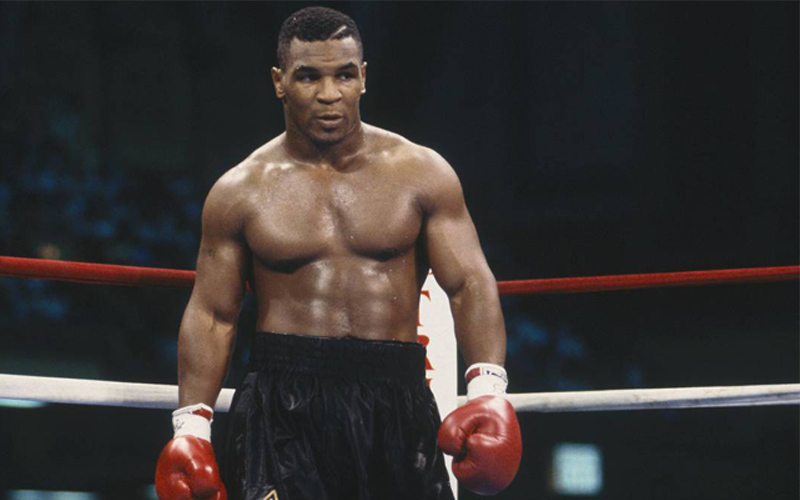
On average; Tyson would endure 60,000 sit-ups, 15,000 bench-dips, 15,000 push-ups, 15,000 shrugs, 5 hours of neck work and 2,000 rounds of hard sparring before even competing in fights which he was ultimately SUPPOSED to win. It is this unrelenting desire to succeed which separates boxing from any other sport, the degree of sacrifice that fighters must give just to make the walk to the squared circle is often overlooked once the fight is concluded, and it is perhaps the most challenging aspect of the sport entirely.
In contrast, there are also fighters who explore unorthodox ways of training. Tyson’s unmerciful regiment
of strict calisthenics exercises and hard sparring, perhaps old fashioned in its nature but no less effective, can quickly become stale for some fighters, and in particular those who possess a different range of athletic skillset.
Take undisputed lightweight king; Vasyl Lomachenko for instance, and the two approaches to training, albeit for the same sport, have stark differences. Where Tyson pushes through 2,000 sit-ups and 500 push-ups, Lomachenko practices math equations, juggles six balls simultaneously, studies and trains in Ukrainian folk dancing, holds his breath underwater for 240 seconds and walks on his fists from one corner of the ring to the other.
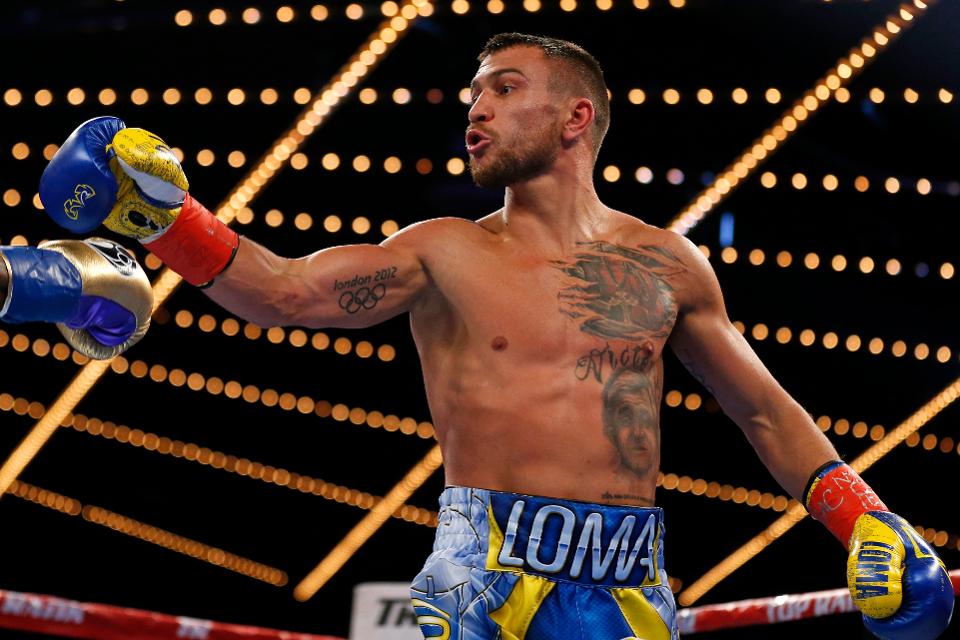
“I went to dance classes as a ten-year-old boy to improve my feet, my father took me before I would train so that I would understand how to use my footwork in the ring. I think footwork is one of the most important things to becoming a great fighter; that’s where everything starts”.
Lomachenko first laced a pair of gloves at the age of three, under his father’s tutelage; Anatoly. Using unconventional training methods; the pair would culminate a training style that mirrored no other athlete, combining mental and physical conditioning with focused footwork drills, isolated cardiovascular tests, quick problem solving and relaxed skill-based sparring, in what would produce two Olympic gold medals, two World Championship gold medals, one European Championship gold medal, one Junior gold medal, the WBO Featherweight title, the WBO Super Featherweight title and the WBC, WBA and WBO Lightweight title, making him the undisputed, unprecedented pound for pound best.
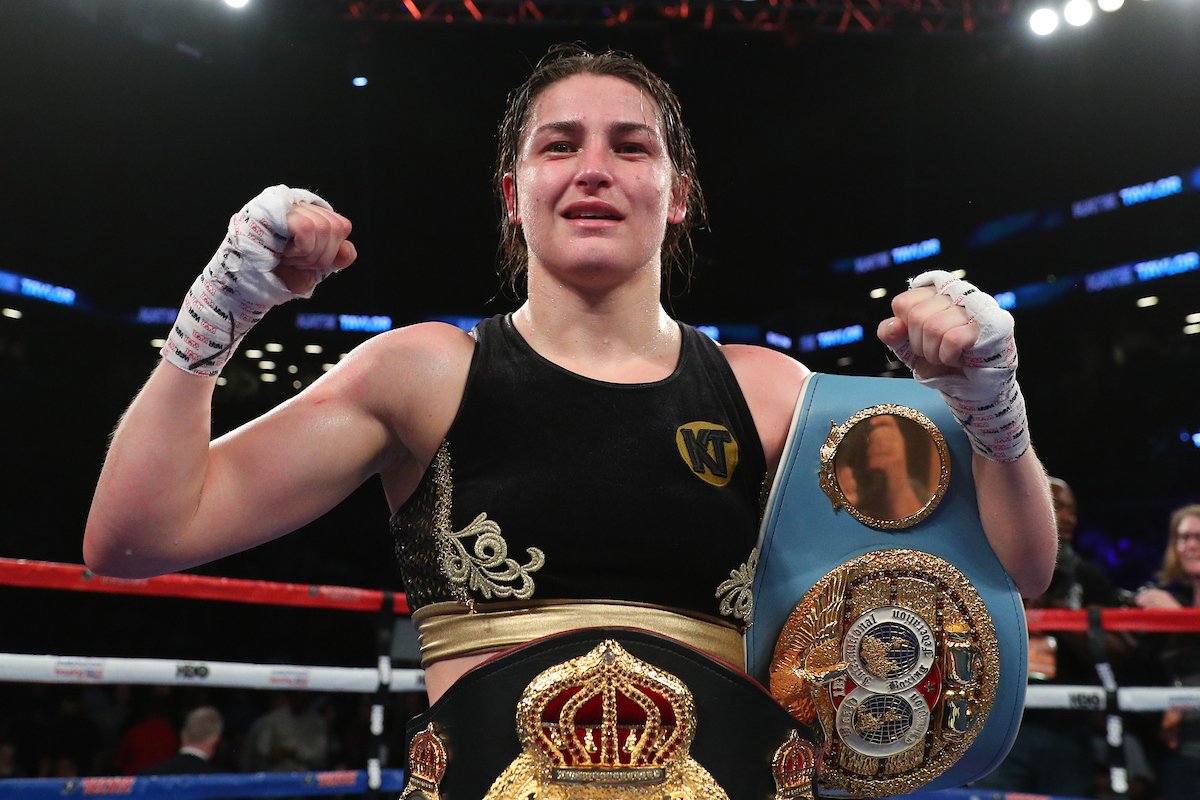
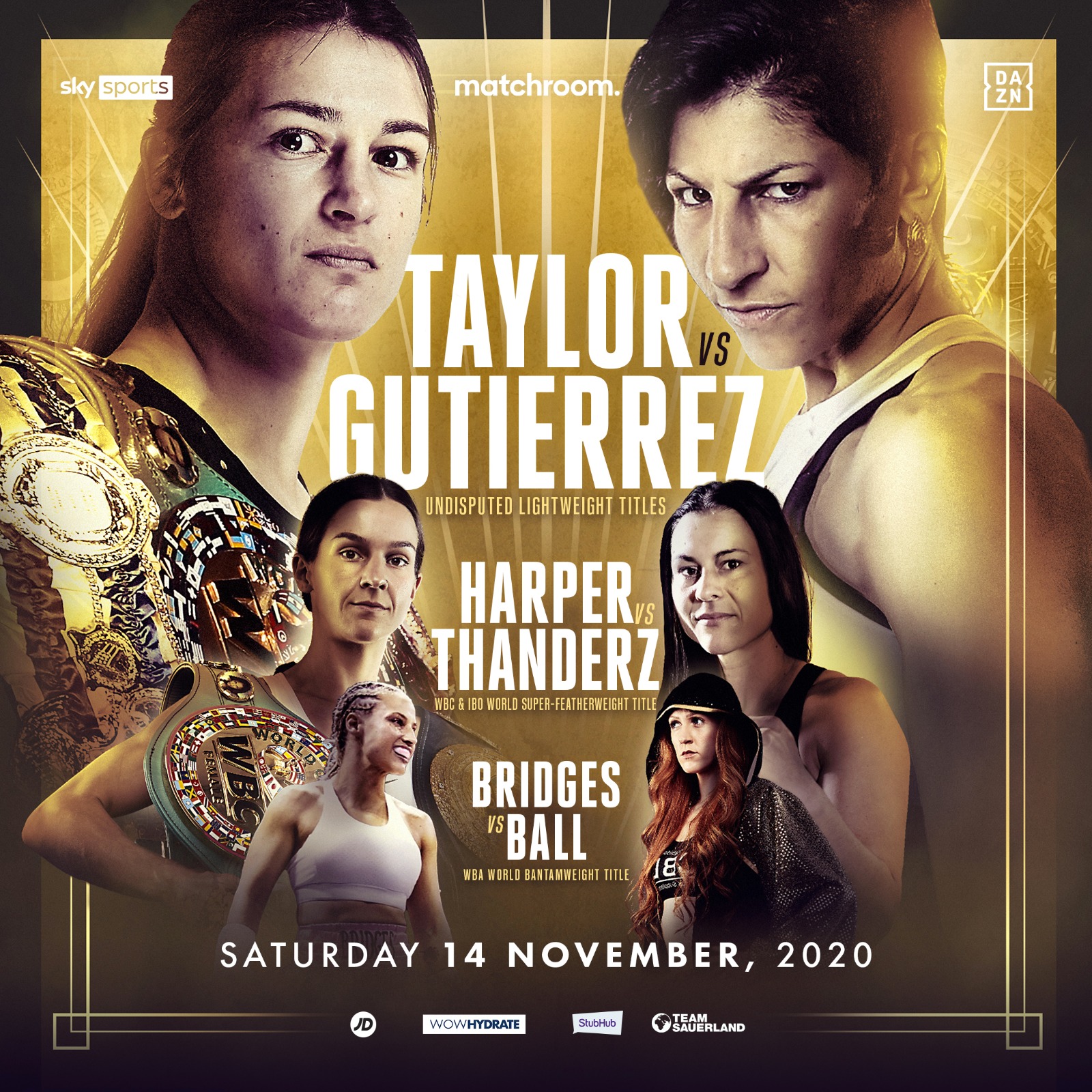
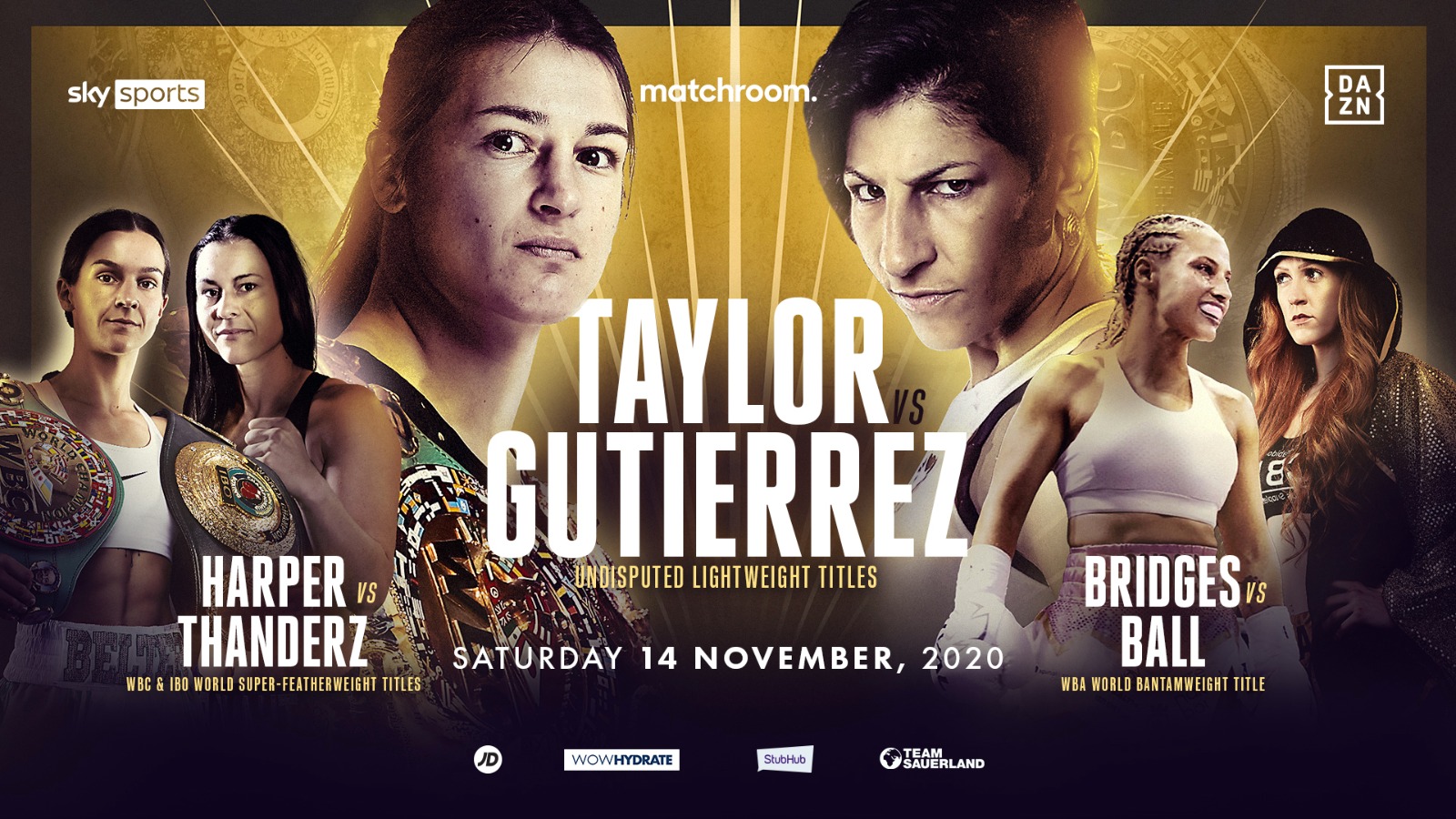
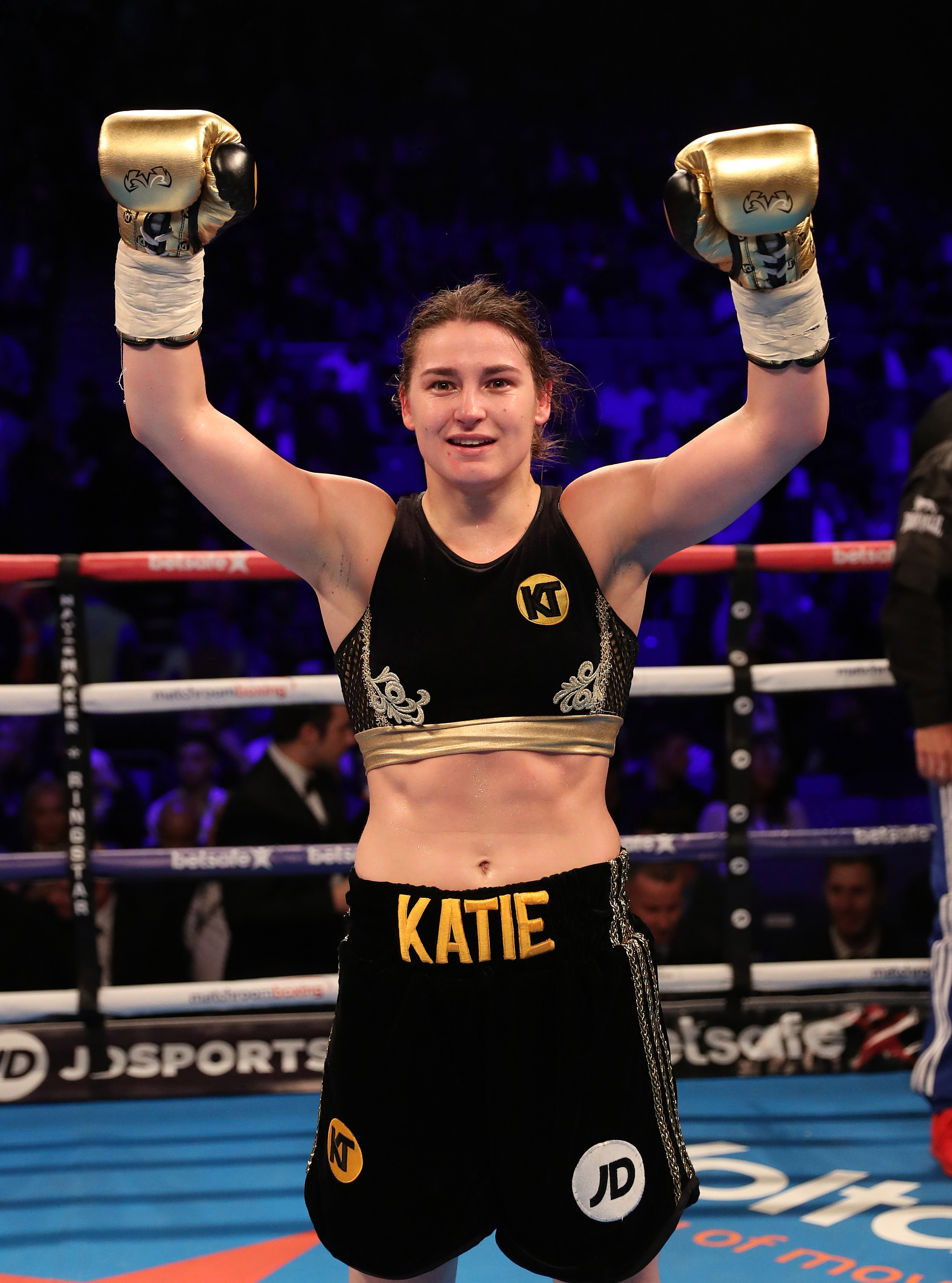
Similarly following the guidance of her father; Katie Taylor also followed an unconventional path to boxing stardom, but one which similarly aided her development in different areas to other more conventional fighters. In her youth, Taylor represented the Republic of Ireland women’s football team whilst also boxing under the teaching of her father; Peter. Combining the two sports from the age of 11 gave Taylor both the competitive familiarity of top flight sport and the physicality to excel her athletic career. By strengthening her base with explosive kinetic movements in football, Taylor was able to build an incredibly strong ring presence which saw her capture an incredible 18 amateur titles, some of which whilst still playing international and club football, and eventually the undisputed women’s lightweight championship.
Read More on Vasyl Lomachenko HERE
Read more on Katie Taylor HERE
Read more on An Organic Perspective To Training HERE

Source of Lomachenko Quotes: BrainyQuote
Images by Forbes ,WBC Boxing & Matchroom